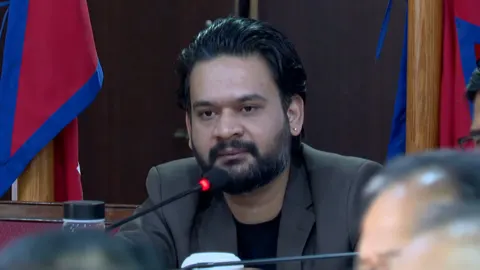
Pannun case: US court sends summonses for NSA Ajit Doval and ex-RAW chief Samant Goel to Delhi courts
A New York federal judge has asked Indian courts to serve the summonses in Gurpatwant Singh Pannun's civil lawsuit, after earlier routes were rejected. India calls the case 'fabricated and malicious'.
Key points
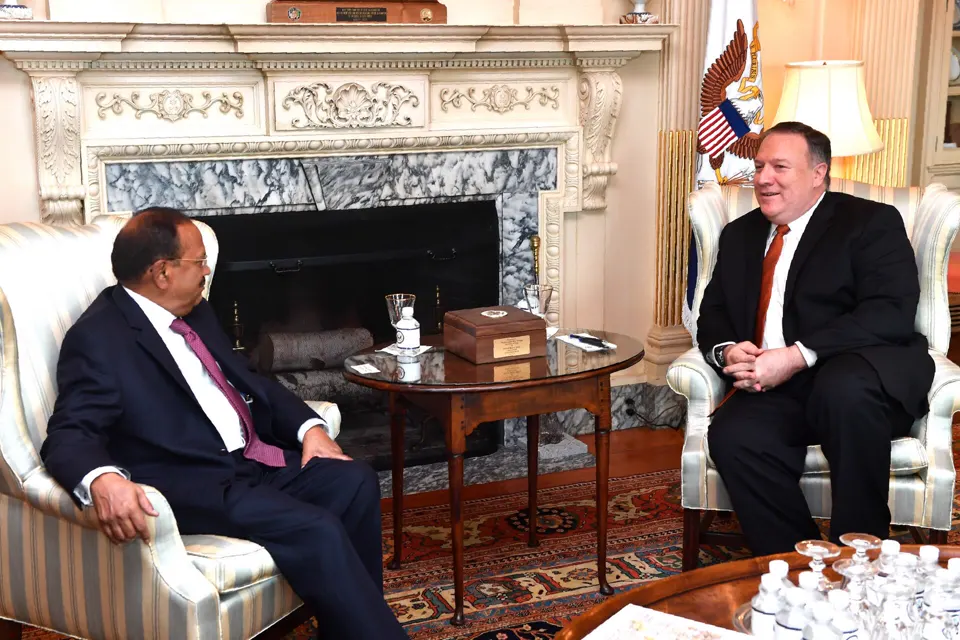
- A New York federal court has sent summonses for NSA Ajit Doval and former RAW chief Samant Goel to three Delhi courts
- Judge Katherine Polk Failla's order of 13 November asks Indian courts to help serve them, citing the Hague Convention
- Earlier attempts, through India's central authority and through a diplomatic note, did not work
- India's External Affairs Ministry says such requests must go through the Ministry of Law and Justice
- This is a civil lawsuit for damages, separate from the criminal case in which Nikhil Gupta was jailed on 20 November
A federal court in New York has sent summonses for India's National Security Adviser Ajit Doval and former Research and Analysis Wing (RAW) chief Samant Goel to three courts in New Delhi, in a civil lawsuit filed by Sikh separatist Gurpatwant Singh Pannun.
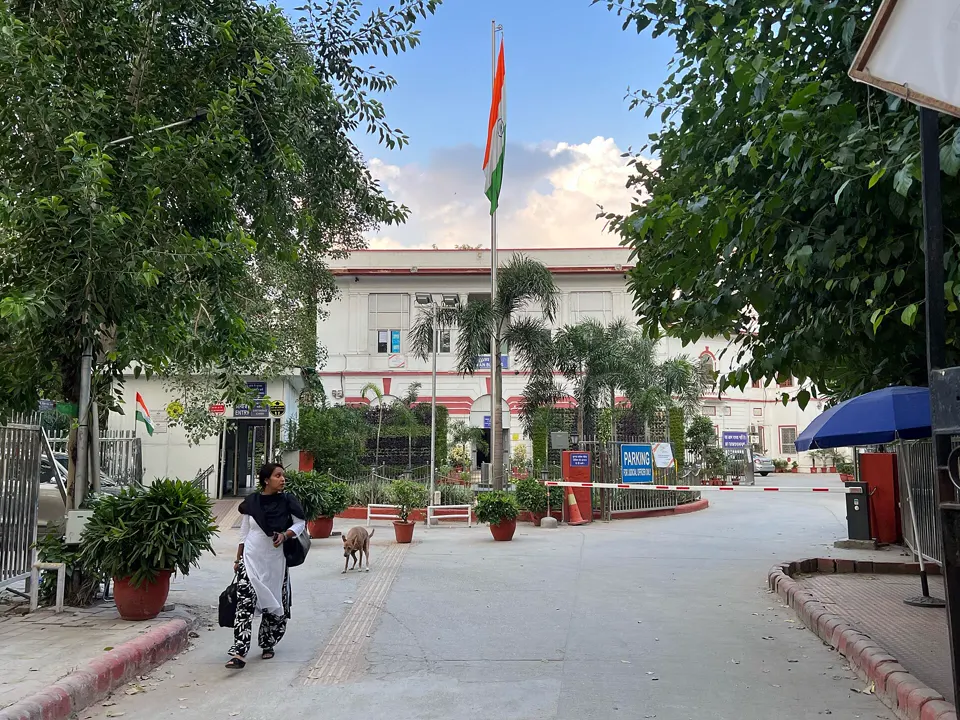
The clerk of the US District Court for the Southern District of New York said the summonses were sent by FedEx to the Patiala House, Tis Hazari and Dwarka district courts on Friday, PTI reported on 21 November 2026.
📄 Key documents and statements
What the court did
US District Judge Katherine Polk Failla issued an order on 13 November asking Indian courts to deliver the papers. "The court respectfully requests the assistance of receiving Indian courts" in serving the defendants, the order said, according to PTI.
The judge cited Article 19 of the Hague Service Convention, an international treaty on delivering court documents abroad, and provisions of India's Code of Civil Procedure that allow summonses from some foreign civil courts to be served through Indian courts.
Why this route?
According to the order, the usual route, through India's designated central authority under the Hague Convention, was attempted but rejected. Last month, the US also tried to deliver the papers through a diplomatic note from the State Department to the Indian Embassy in Washington, PTI reported.
India's position is that such requests can only go through its central authority, the Ministry of Law and Justice. External Affairs Ministry spokesperson Randhir Jaiswal said so on 10 November, calling the lawsuit "fabricated and malicious" and saying India rejects "frivolous lawsuits".
What is the lawsuit about?
Pannun, a US and Canadian citizen and general counsel of Sikhs for Justice, a group banned in India, is seeking damages over an alleged plot to kill him in New York. He accuses Doval of orchestrating the plot through India's foreign intelligence agency. India has repeatedly denied any official involvement.
According to earlier reports, the lawsuit, filed in 2023, also names the Government of India, former Indian official Vikash Yadav and Nikhil Gupta.
Two separate cases
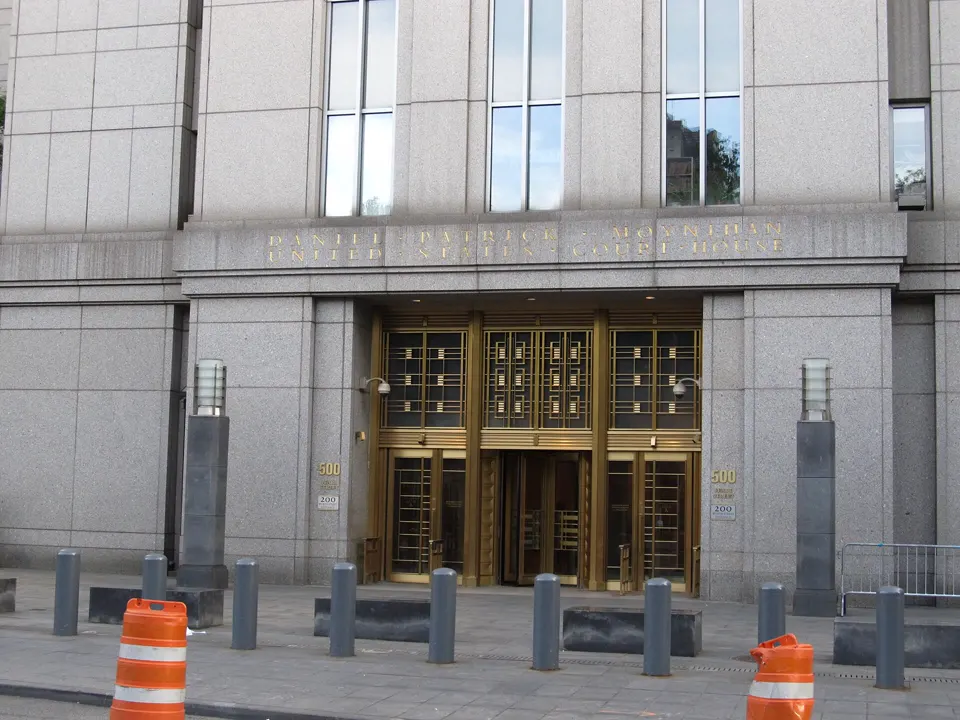
- The criminal case: US prosecutors charged Nikhil Gupta with trying to hire a hitman to kill Pannun. Gupta pleaded guilty and was sentenced to 235 months in prison on 20 November.
- The civil case: Pannun's own lawsuit seeking money damages, in which these summonses were issued. A summons in a civil case asks a defendant to respond in court. It is not a criminal charge.
What happens next
It is now up to the Indian courts that received the papers whether, and how, to act on the US request. Given India's position that only the Law Ministry can handle such requests, a dispute over whether the papers have been properly served is likely to continue. The case is also a test for India-US ties at a time when both sides want closer cooperation.
More on The World Brief
- Nikhil Gupta jailed for 235 months in US over plot to kill Pannun
- All our coverage: Gurpatwant Singh Pannun
- Latest India news