Startup founded by IIT Delhi alumnus sues Apple for ₹1,500 crore over iPhone's NameDrop feature
GG Technologies, founded by IIT Delhi graduate Gaurav Goel, has sued Apple in the Bombay High Court, saying NameDrop copies its patented way of sharing contacts between nearby phones. It wants ₹1,500 crore and a ban on the feature in India.
Key points
- GG Technologies has sued Apple in the Bombay High Court over NameDrop
- It claims NameDrop infringes its Indian patent for sharing contacts between nearby devices without pairing
- It seeks ₹1,500 crore (about $162 million) in damages
- It also wants to stop iPhones and Apple Watches with NameDrop being sold in India
- The company's founder Gaurav Goel is an IIT Delhi graduate; the firm is based in the US
A startup founded by an IIT Delhi graduate has taken Apple to court in India, claiming the iPhone's NameDrop feature copies its patented technology. GG Technologies wants ₹1,500 crore in damages.
The case
- Who: GG Technologies, maker of the StayTouch app, founded in 2018 by Gaurav Goel.
- Where: the Bombay High Court.
- Claim: NameDrop infringes its Indian patent on swapping contact details between nearby devices without manual pairing.
- Damages sought: ₹1,500 crore, about $162 million.
- Also asks: a ban on selling or pre-installing NameDrop on iPhones and Apple Watches in India.
What is NameDrop?
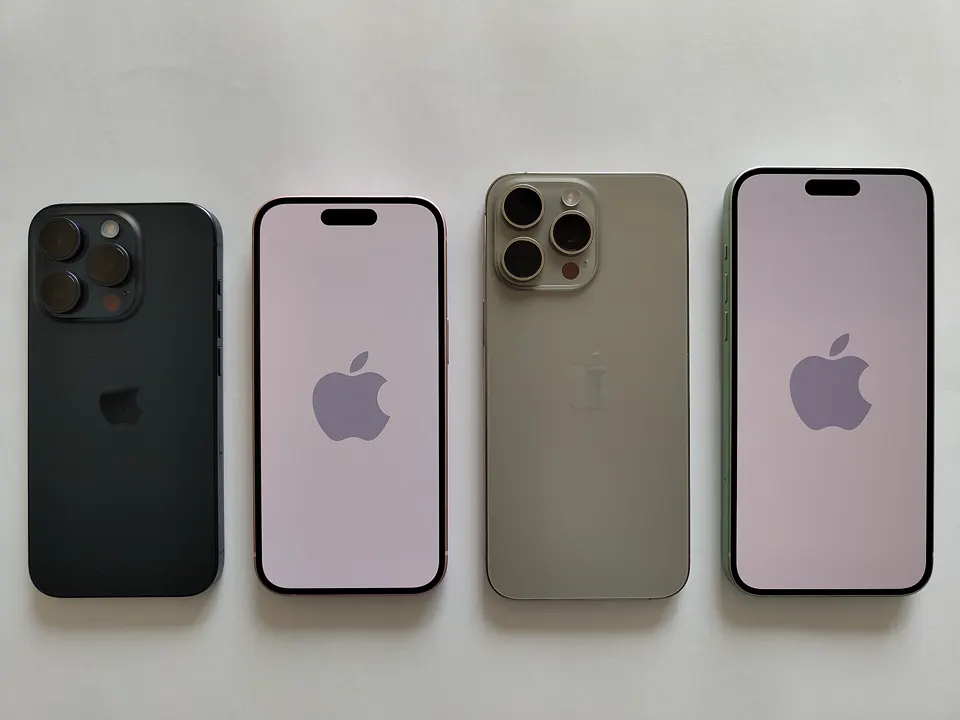
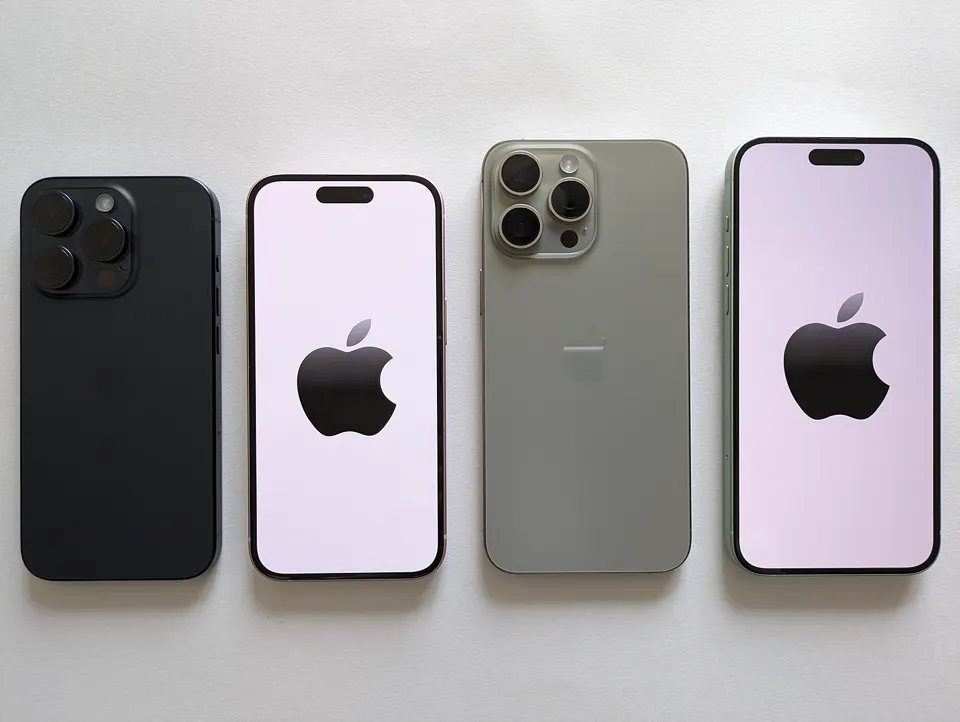
Apple introduced NameDrop in 2023. When two iPhones, or an iPhone and an Apple Watch, are held close together, users can swap contact cards instantly, with no app or Bluetooth pairing needed.
Who is behind the startup?
Founder Gaurav Goel is an IIT Delhi graduate and former Goldman Sachs banker, according to reports. Although its founder is Indian, the company is based in Santa Monica, US. It also filed a complaint in the US, where the International Trade Commission opened an investigation into Apple in August.
What happens next
- Apple will respond in court. It had not commented publicly at the time of writing.
- Patent cases like this often take months or years, and many end in settlements.
- A ban on NameDrop in India would be rare, as courts usually weigh it against the harm to consumers.