Iran says reopening the Strait of Hormuz is 'not difficult', but only if the US accepts its conditions
Foreign Minister Abbas Araghchi tied reopening the world's key oil route to US concessions, after talks with Qatari mediators in Tehran. Trump says any deal must be permanent.
Key points
- Iran's Foreign Minister Abbas Araghchi said reopening the Strait of Hormuz is 'not difficult' if the US accepts Iran's conditions
- He said talking about reopening is 'pointless' while Iran's demands are unmet
- Iran's demands include ending the war on all fronts, unfreezing assets, lifting oil sanctions and ending the US blockade of Iranian ports
- A Qatari delegation held two hours of talks in Tehran on Friday night
- Donald Trump said he wants a 'permanent' deal with Iran
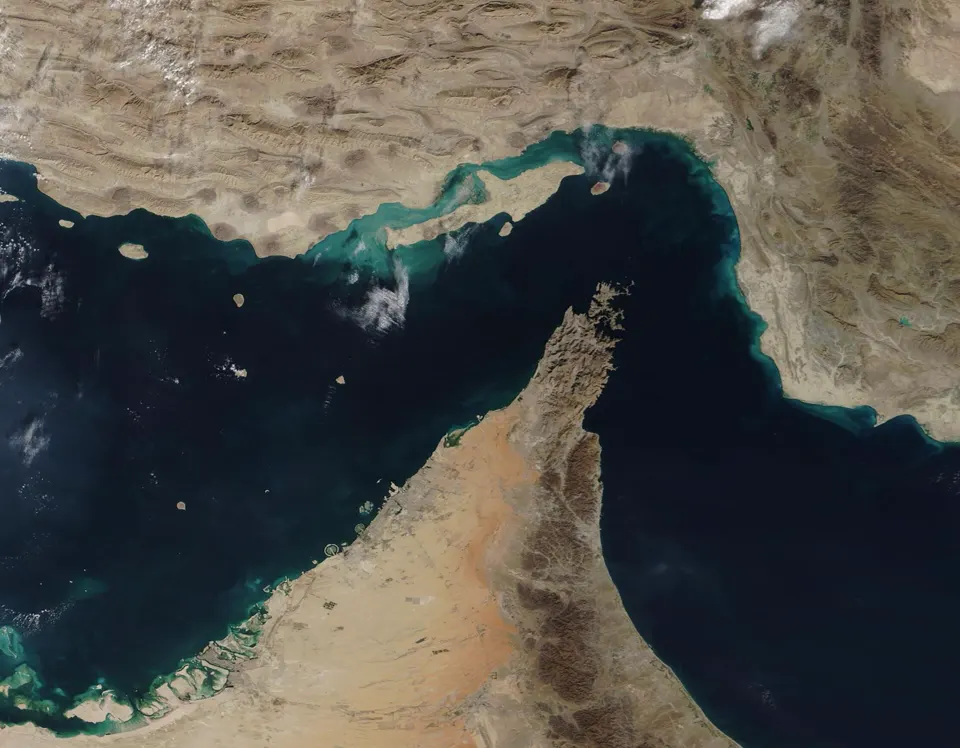
Iran says reopening the Strait of Hormuz, the narrow waterway that normally carries about a fifth of the world's oil, would not be difficult, but only if the United States accepts its conditions.
Foreign Minister Abbas Araghchi said on state television on Saturday, 21 November, that "as long as Iran's demands are not met, the discussion on the Strait of Hormuz and its opening is pointless," Al Jazeera reported. Citing the Tasnim news agency, Al Jazeera said he described reopening as "not difficult" if Washington accepts "reasonable conditions".
Iran's conditions
According to Al Jazeera, Tehran wants:
- an end to the war on all fronts;
- the release of frozen Iranian assets;
- the lifting of oil sanctions;
- an end to the US counter-blockade of Iranian ports.
Earlier this month, on 1 November, Araghchi had spoken of a plan under which the strait could reopen within two days if the US took a set of steps first, Middle East Eye reported.
The Qatari channel
A Qatari delegation held about two hours of talks with Iranian officials in Tehran on Friday night, Deputy Foreign Minister Kazem Gharibabadi said, according to Tasnim. "We are in contact with mediators, including the Qataris, both in person and virtually," he said. He added that the contacts had not become formal negotiations, and that Iran insists its enriched uranium must not leave the country.
What Washington says
US President Donald Trump told Fox News he wants a "permanent" deal that stops Iran from getting a nuclear weapon, calling Iranian officials "very, very difficult" to deal with, Al Jazeera reported.
How we got here
The US and Israel attacked Iran on 28 February 2026, and Iran responded by striking Israel and Gulf states hosting US bases. Since then Iran has restricted shipping through the strait, and the US has blockaded Iranian ports. Iran's Fars news agency reported this week that at least 12 ships had struck sea mines in the strait in three days, according to TASS. We could not independently confirm that figure.
Why it matters for India
India buys much of its crude oil and cooking gas from Gulf producers whose shipments pass through Hormuz. A long closure keeps shipping and insurance costs high and adds pressure on fuel prices. Any deal to reopen the strait would be felt quickly in oil markets.
More on The World Brief
- The World Brief, 22 November 2026: today's top stories in brief
- Trump on Iran 'dirty bomb' rumour: 'We will not allow that to happen'
- Latest market news
Sources
 ▶ Watch on YouTube