SEBI tells market players to stop publishing IPO GMP: what the grey market premium is and what it means for you
Market regulator SEBI has asked brokers, other registered intermediaries and market participants to stop publishing IPO grey market premium (GMP) figures, and warned investors not to treat GMP as a guide to listing prices or to trade in the unofficial grey market.
Key points
- SEBI issued an advisory on 23 November on IPO grey market premium (GMP) figures
- It said publishing, displaying or circulating GMP 'may be discontinued' across the securities market, including by email, SMS and social media
- SEBI called GMP figures unofficial, unverified and unregulated, with no settlement guarantee or investor protection
- Investors were told not to treat GMP as a sign of the listing price, and not to do GMP-linked deals
- IPOs should be bought only through SEBI-registered intermediaries and authorised platforms
The Securities and Exchange Board of India (SEBI) has asked brokers, other registered intermediaries and market participants to stop publishing IPO grey market premium (GMP) figures. In an advisory dated 23 November, the market regulator also told investors not to treat GMP as a guide to how a new share will list, and to stay away from grey market deals altogether.
GMP numbers are everywhere during a busy IPO season: on websites, apps, YouTube channels, Telegram groups and even in newspapers. SEBI says that is exactly the problem.
Quick facts
- What: SEBI advisory on IPO grey market premium figures, dated 23 November 2026.
- Who it covers: registered intermediaries (such as brokers) and other market participants.
- What it asks: stop publishing, displaying or circulating GMP on websites, platforms, email, SMS and social media.
- For investors: do not use GMP to judge listing price or returns; do not take part in GMP-linked deals.
- Safe route: apply for IPOs only through SEBI-registered intermediaries and authorised platforms.
What is the grey market premium?
When a company announces an IPO, some people start trading in its shares, or in IPO applications, informally before the shares are listed on the stock exchanges. The extra price people are willing to pay over the IPO price in these private deals is called the grey market premium. If an IPO is priced at ₹100 and the GMP is ₹30, the grey market is betting the share will list around ₹130.
Many retail investors use this figure to decide whether to apply, and many websites publish daily GMP tables. But none of it happens on an exchange.
What SEBI said
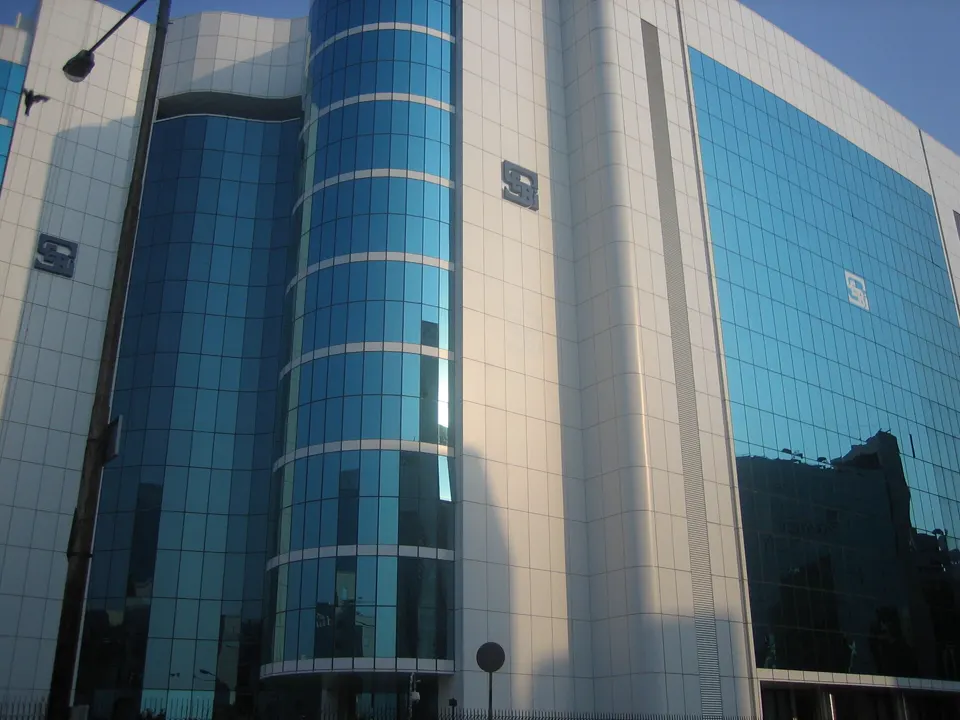
According to India Today's reading of the advisory, SEBI described GMP figures as "unofficial, unverified, and unregulated". It pointed out that these deals take place outside the exchange system, are not supervised by any regulator, carry no settlement guarantee and no investor protection, and follow no formal process for finding a fair price.
SEBI said that putting out such figures as signs of a likely listing price or expected returns "may be detrimental to the interests of investors". So, in the interest of transparency and market integrity, their publication, display, circulation or dissemination through any mode "may be discontinued across the securities market".
- To intermediaries and market participants: do not publish, display or broadcast GMP figures on your websites, apps or any other channel, including email, SMS and social media.
- To investors: do not treat GMP as an indicator of listing price or returns, and avoid GMP-linked transactions, which fall completely outside the regulatory framework.
- To everyone: invest in IPOs only through SEBI-registered intermediaries and authorised platforms.
Why this matters
If a grey market deal goes wrong, for example if the other side refuses to pay or deliver, there is no exchange, clearing house or regulator to help. India Today notes that the advisory specifically highlights the absence of investor protection when disputes arise from such deals.
GMP can also be misleading. It is set by a small, unregulated group of traders and can swing sharply in the days before listing. A high GMP does not guarantee a strong listing, and a weak one does not mean a poor company.

What it means for you
- Expect GMP figures to disappear from broker apps, websites and messages from registered firms. Unregistered websites and social media accounts may still show them, but SEBI has told investors not to rely on them.
- Judge an IPO by its offer document (the red herring prospectus): the company's business, profits, debt, valuation and the risks it lists.
- Apply through your bank (ASBA) or a SEBI-registered broker's UPI-based application. Never pay anyone outside this system for an 'allotment' or a 'grey market' share.
- If someone offers to buy or sell IPO shares before listing, remember SEBI's warning: you will have no protection if things go wrong.
What we don't know yet
Reports so far do not say what action, if any, SEBI will take against registered firms that keep publishing GMP, or how the advisory will apply to unregistered websites and influencers.
More on The World Brief
- More business news
- RBI's 'Stop Switch' explained: new draft rules against digital fraud
- SpaceX-Tesla merger talks explained
Sources
- India Today (via MSN): GMP no more? SEBI asks market players to stop publishing IPO grey market premiums
- Financial Express: SEBI orders market participants to discontinue publication of grey market premium
- CNBC-TV18: SEBI advises market intermediaries to stop publishing IPO grey market premium figures
- SEBI official website (advisories and press releases)