26/11 Mumbai attacks, 18 years on: India honours 166 victims, plotters still unpunished
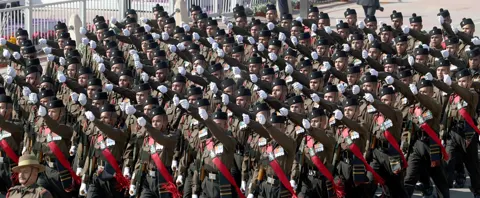
Maharashtra Chief Minister Devendra Fadnavis led a police parade in Mumbai on 26 November 2026, while 26/11 special prosecutor Ujjwal Nikam asked why the people who planned the attack have still not been brought to justice.
Key points
- India marked 18 years since the 26/11 Mumbai terror attacks, in which 10 Lashkar-e-Taiba gunmen killed 166 people and injured about 300 over four days
- Chief Minister Devendra Fadnavis attended a ceremonial parade at the Mumbai Police Commissioner's office to honour those killed
- External Affairs Minister S Jaishankar repeated India's call for zero tolerance for terrorism and for bringing those involved to justice
- Special public prosecutor Ujjwal Nikam said India hanged Ajmal Kasab but asked whether the plotters had been reached
- Mumbai Police posted a video tribute; survivors said the memories still keep them awake at night
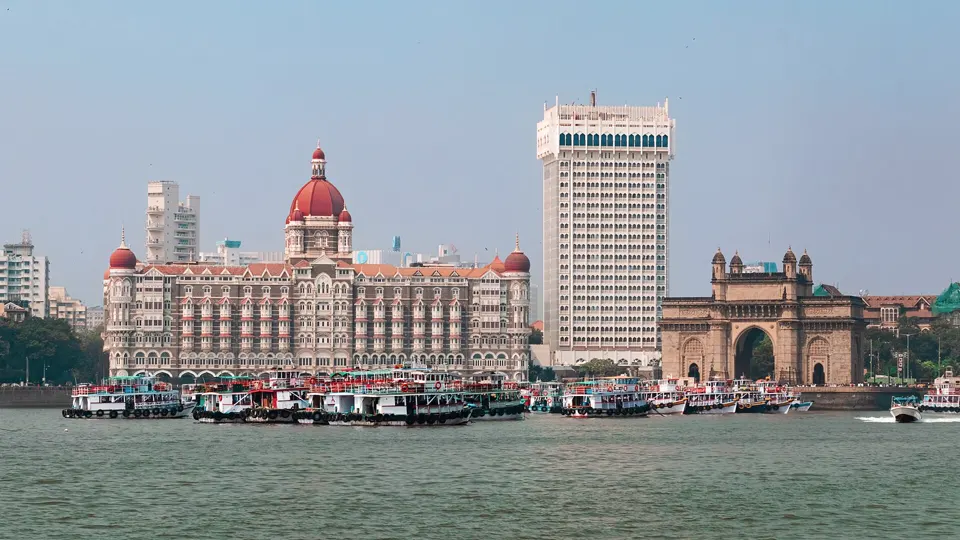
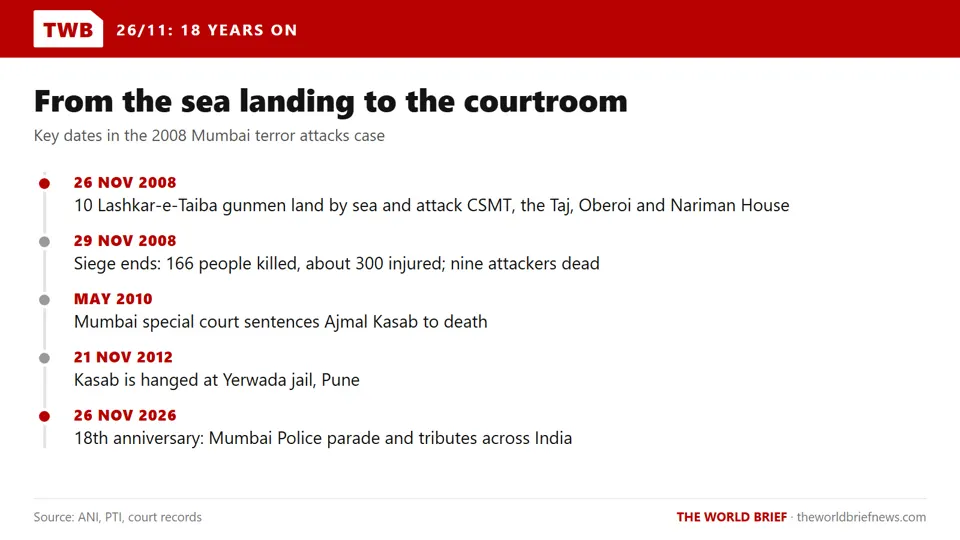
India on Thursday, 26 November 2026, marked 18 years since the 26/11 Mumbai terror attacks, when 10 gunmen from the Pakistan-based Lashkar-e-Taiba (LeT) arrived by sea and attacked hotels, a railway station, a hospital and a Jewish centre. 166 people were killed and about 300 were injured.
Maharashtra Chief Minister Devendra Fadnavis attended a ceremonial parade at the Mumbai Police Commissioner's office to honour the police officers, soldiers and civilians who died, news agency ANI reported. Tributes came from across the country.
26/11 at a glance
- When: the night of 26 November 2008; the siege lasted until 29 November.
- Who: 10 LeT gunmen who came from Pakistan by sea. Nine were killed; Mohammad Ajmal Amir Kasab was caught alive.
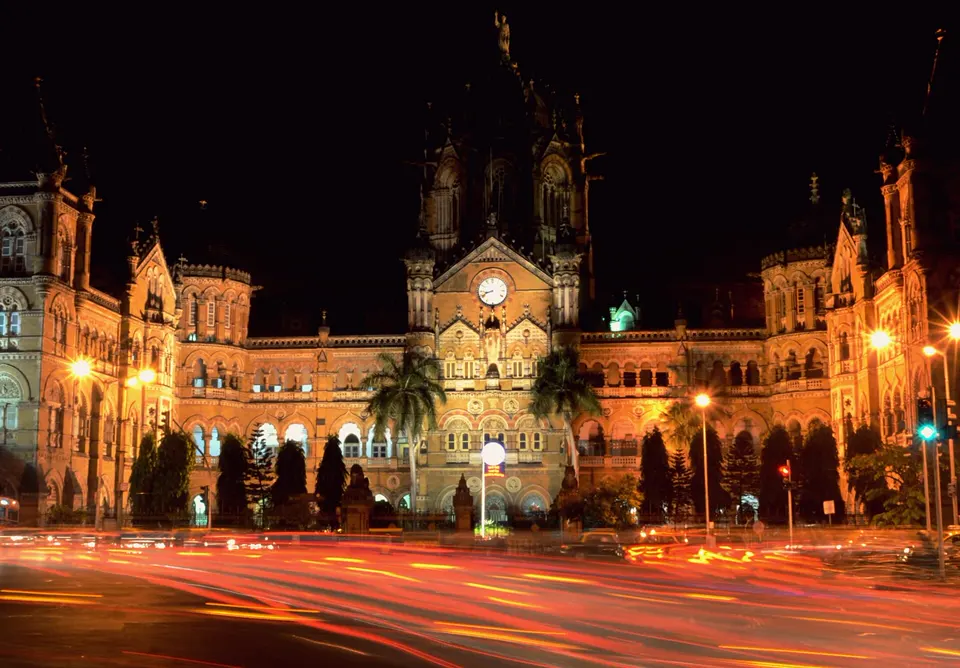
- Targets: Chhatrapati Shivaji Maharaj Terminus (CSMT), the Taj Mahal Palace and Oberoi hotels, Nariman House, Leopold Cafe, Cama Hospital and the area near Metro Cinema.
- Toll: 166 killed and about 300 injured.
- Justice: Kasab was sentenced to death in May 2010 and hanged at Yerwada jail, Pune, on 21 November 2012.
Who paid tribute
External Affairs Minister S Jaishankar said India remembers "innocent lives lost" and saluted the security personnel who made the supreme sacrifice. In a post on X, he said India was committed to "bringing those involved to justice" and to "zero tolerance for terrorism".
Uttar Pradesh Chief Minister Yogi Adityanath also paid tribute, calling terrorism humanity's greatest enemy, several outlets reported.
'Have we reached the plotters?'
Senior advocate and Rajya Sabha MP Ujjwal Nikam, who was the special public prosecutor in the Kasab trial, said India had given a firm judicial answer. But he said a question remained for every Indian. "Have we been able to reach those who conspired to plan the attack?" he told ANI.
Kasab was the only attacker taken alive. The men accused of planning and funding the attack from across the border have not faced trial in India.
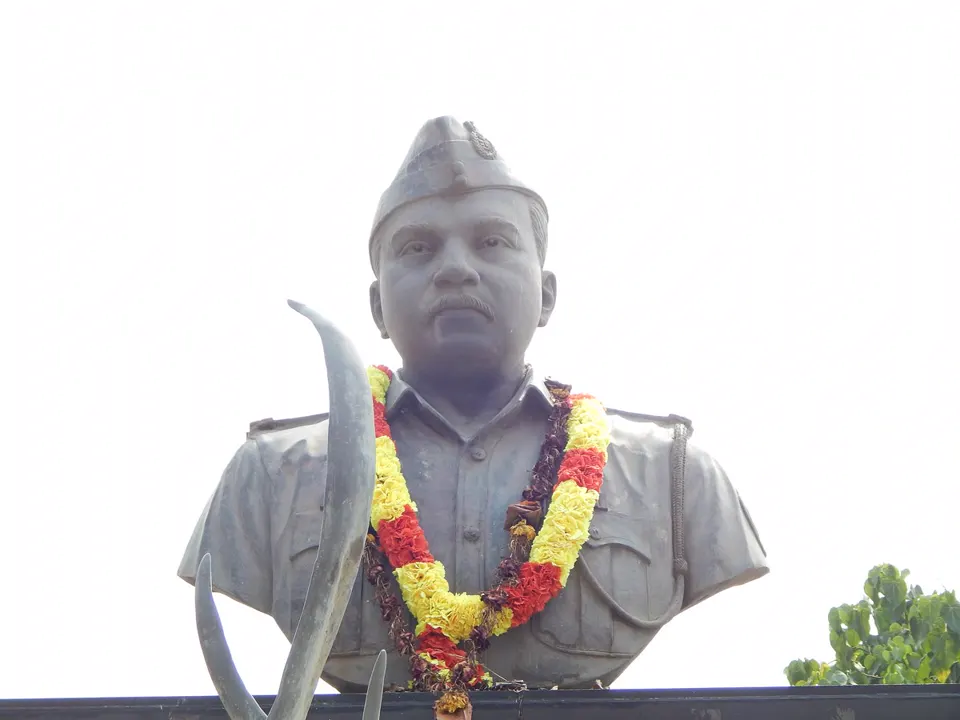
The scars Mumbai still carries
Bullet marks are still visible at Leopold Cafe and Nariman House. The bust of ASI Tukaram Omble, who held on to Kasab's rifle and was shot dead, is a reminder of the police officers who ran towards the gunfire.
For survivors, the night has not ended. Mohammad Taufiq Shaikh, a tea seller at CSMT known as "Chhotu Chaiwala", helped warn people as the gunmen opened fire. "It's been 18 years, and I still haven't been able to sleep," he told ANI.
Read more on TWB: Hyderabad on high alert after LeT email threat
TWB analysis: what 18 years changed
The attack lasted about four days, which means roughly 41 people were killed for every day of the siege (166 ÷ 4, our calculation). The scale exposed gaps that India has since tried to close:
- Sea route: the gunmen came in a hijacked fishing boat. Coastal security was later placed under a single Navy-led command, with the Coast Guard and marine police.
- Response time: NSG commandos had to fly in from Delhi. The NSG has since set up regional hubs, including one in Mumbai.
- Investigation: the National Investigation Agency (NIA) was created in late 2008 to handle terror cases across states.
Nikam's question shows what has not changed: the trial of the alleged planners is still incomplete.
What happens next
Memorial events continue through the day in south Mumbai, where police had restricted parking for the ceremonies. India is expected to keep raising the 26/11 case at international forums as part of its push against cross-border terrorism.
With inputs from ANI, PTI and Mumbai Police.
More on The World Brief
- More India news
- Hyderabad on high alert after LeT email threat
- NIA probe into attack on flydubai pilot