Myanmar committed genocide against Rohingya, UN top court rules
The ICJ ruled 9-6 that Myanmar committed genocide against the Rohingya, the first time in its 80-year history the UN court has held a state responsible.
Key points
- The ICJ ruled 9-6 that Myanmar committed genocide against the Rohingya
- First time in the court’s 80-year history it has held a state responsible for genocide
- About 10,000 Rohingya killed; more than 700,000 fled to Bangladesh in 2016–2017
- Ruling is final and binding, but the court has no way to enforce it
THE HAGUE, Netherlands — The International Court of Justice ruled on Thursday, 19 November 2026, that Myanmar committed genocide against its Rohingya Muslim minority. It is the first time in the court’s 80-year history that it has held a state responsible for genocide.
Judges voted nine to six. The ruling comes almost a decade after Myanmar’s military drove hundreds of thousands of Rohingya from their homes in northern Rakhine State.
The court found that Myanmar “has committed genocide against the Rohingya group in northern Rakhine state, in violation of its obligations under the Genocide Convention”, ICJ President Iwasawa Yuji said.
“An intention to destroy”
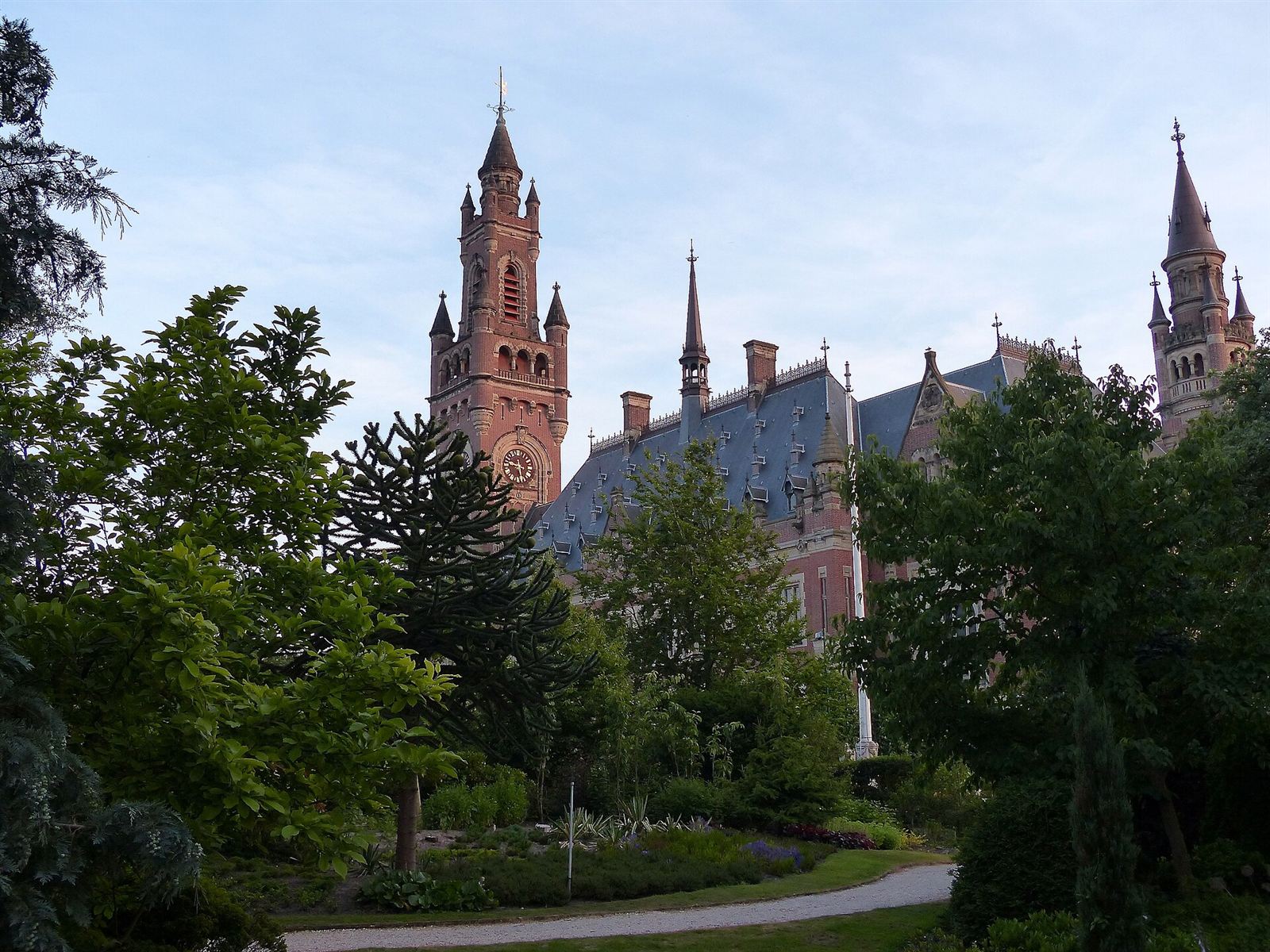
Iwasawa read the judgment over nearly three hours at the Peace Palace. The court found the scale and nature of the violence went far beyond any effort to punish a population.
“The court is of the view that the only reasonable inference that can explain Myanmar’s actions is an intention to destroy” the Rohingya of northern Rakhine, Iwasawa said.
That finding matters. Genocide requires proof of intent to destroy a group, in whole or in part, and international courts rarely find it against a state.
The judges said the military carried out indiscriminate killings during its 2016–2017 operations. They gave particular weight to widespread sexual violence, extreme violence against children, and attacks on Rohingya as they fled towards Bangladesh.
Iwasawa said evidence showed Myanmar forces killed about 10,000 Rohingya. More than 700,000 fled across the Naf River into Bangladesh.
Myanmar’s defence rejected
Myanmar told the court its “clearance operations” were legitimate counter-terrorism action against a Rohingya insurgent group. The court rejected that argument, finding the military made no distinction between armed militants and civilians.
Myanmar’s foreign ministry had called the case “flawed and unfounded in fact and law” when final hearings opened in January. That statement avoided the word Rohingya, referring instead to “persons from Rakhine state”.
No response from Myanmar’s military-backed government to Thursday’s ruling had been reported at the time of publication.
Six judges dissented, including Vice-President Julia Sebutinde, according to the court’s list of opinions. A legal analysis on the blog EJIL:Talk said the dissenting judges objected to what they saw as a looser approach to evidence.
A case brought from West Africa
The Gambia filed the case in November 2019. It was the first time a country with no direct link to the alleged crimes had taken a genocide case of this kind to the court.
The Gambia’s Justice Minister, Dawda Jallow, led its legal team. Eleven other states later joined the case as interveners.
The United States and Canada had already declared the atrocities a genocide before Thursday’s ruling.
“The world sees our suffering”
For survivors, the verdict ends years of waiting.
Murshid Alam was 12 when gunfire forced his family out of Rakhine State. He was shot in the ear as they fled. Now 22, he founded the Rohingya Youth Union in the Cox’s Bazar camps.
The ruling, Alam told CNN, shows “the world sees our suffering and refuses to let it be erased.”
“This is a great day for the Rohingya,” said Yasmin Ullah, a Rohingya rights activist who attended the reading, the Associated Press reported.
Amnesty International called the judgment “a rare moment of justice” for Rohingya survivors and urged Myanmar’s authorities to comply.
Binding, but no way to enforce it
The court ordered Myanmar to make reparations. It must allow and help the safe, voluntary and dignified return of Rohingya to their homes, reunite separated families and restore lost or damaged property. It must also protect the Rohingya from future discrimination and persecution.
The ruling is final and legally binding. But the ICJ has no police force. If Myanmar refuses to comply, the matter can go to the UN Security Council, which could act through a resolution.
Compliance looks unlikely. Senior General Min Aung Hlaing, who commanded the army during the 2017 operations, now leads Myanmar after seizing power in a February 2021 coup. He has dismissed the Rohingya identity as “imaginary”, CNN reported.
Return is also complicated on the ground. The Arakan Army, an ethnic armed group, now controls most of Rakhine State, including areas on the Bangladesh border. It has itself been accused of abuses against Rohingya civilians.
About 1.2 million Rohingya refugees now live in Bangladesh, mostly in the Cox’s Bazar camps, the largest refugee settlement in the world.
Pressure beyond Myanmar
The verdict will echo in other cases. South Africa’s genocide case against Israel over the war in Gaza is still before the same court. Israel denies the charge.
“Genocides have similarities in how they are committed so this decision will have an impact on other cases,” said Melanie O’Brien, a professor of international law at the University of Western Australia.
The ruling also lands amid US hostility to international courts. Last month, US Ambassador to the UN Mike Waltz accused the ICJ of trying to lower the threshold for genocide in the Myanmar case, warning it could be used against American soldiers, CNN reported.
Min Aung Hlaing faces other legal threats. The International Criminal Court’s prosecutor sought an arrest warrant for him in November 2024. An Argentine court issued warrants for him and 24 others in February 2025 under universal jurisdiction.
What happens next
- Myanmar is bound to provide reparations and allow a safe, voluntary and dignified return.
- If it refuses, The Gambia can ask the UN Security Council to act.
- The court’s reasoning on intent will be tested in South Africa v. Israel.
Read next
COP31 climate talks head for overtime after new draft drops fossil fuels
Trump, Xi and Putin sign ‘peace declaration’ at first three-way summit, but it skips Ukraine
Ramayana: Part I crosses ₹800 crore in India in 15 days, breaks Bollywood’s Kerala jinx