Trump, Xi and Putin sign ‘peace declaration’ at first three-way summit, but it skips Ukraine
The US, Chinese and Russian leaders agreed a short declaration on UN reform, fuel supplies and nuclear risk in Shenzhen. It does not mention the war in Ukraine or Iran.
Key points
- First-ever three-way meeting of the US, Chinese and Russian leaders, in Shenzhen on 19 November
- Declaration covers UN reform, fuel supplies, nuclear risk and immunity of state officials
- No mention of Ukraine or Iran, and no arms-control commitments
- Ukraine and France dismissed it; leaders may meet again at the G20 in Florida
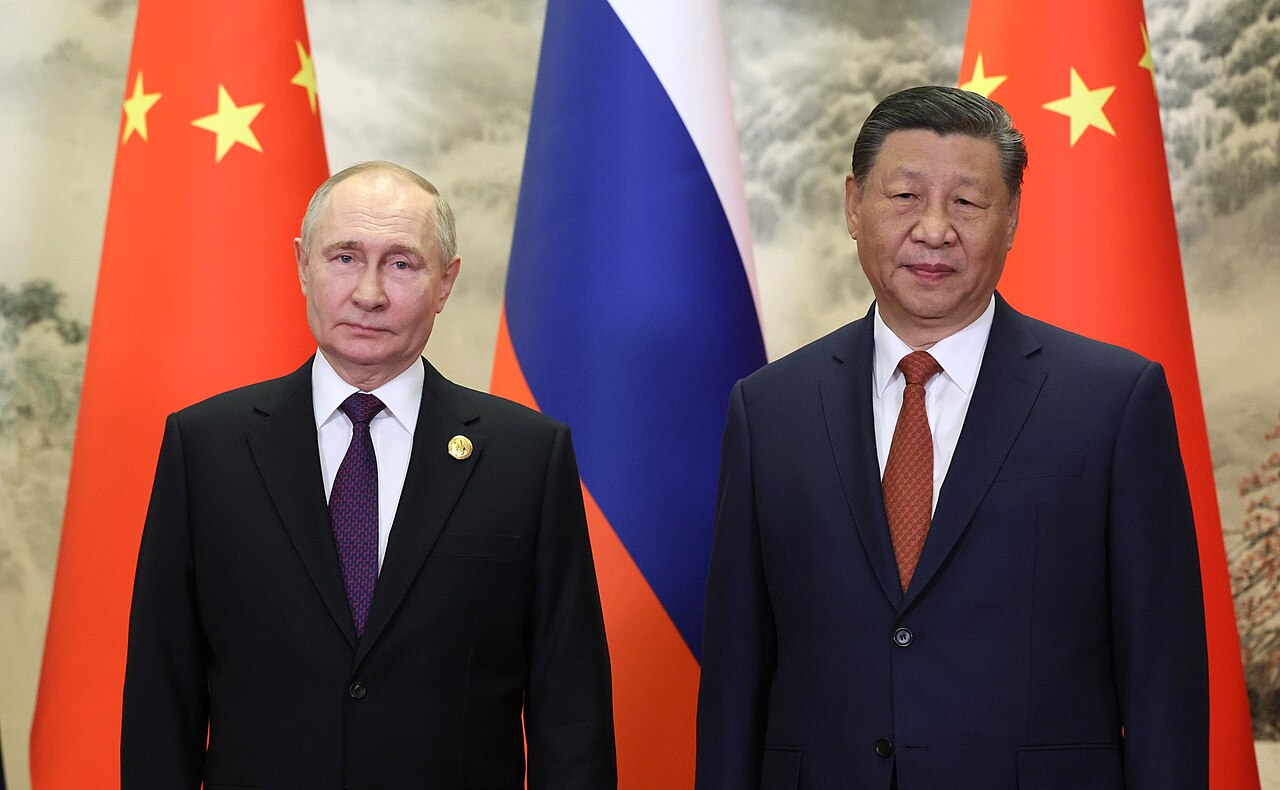
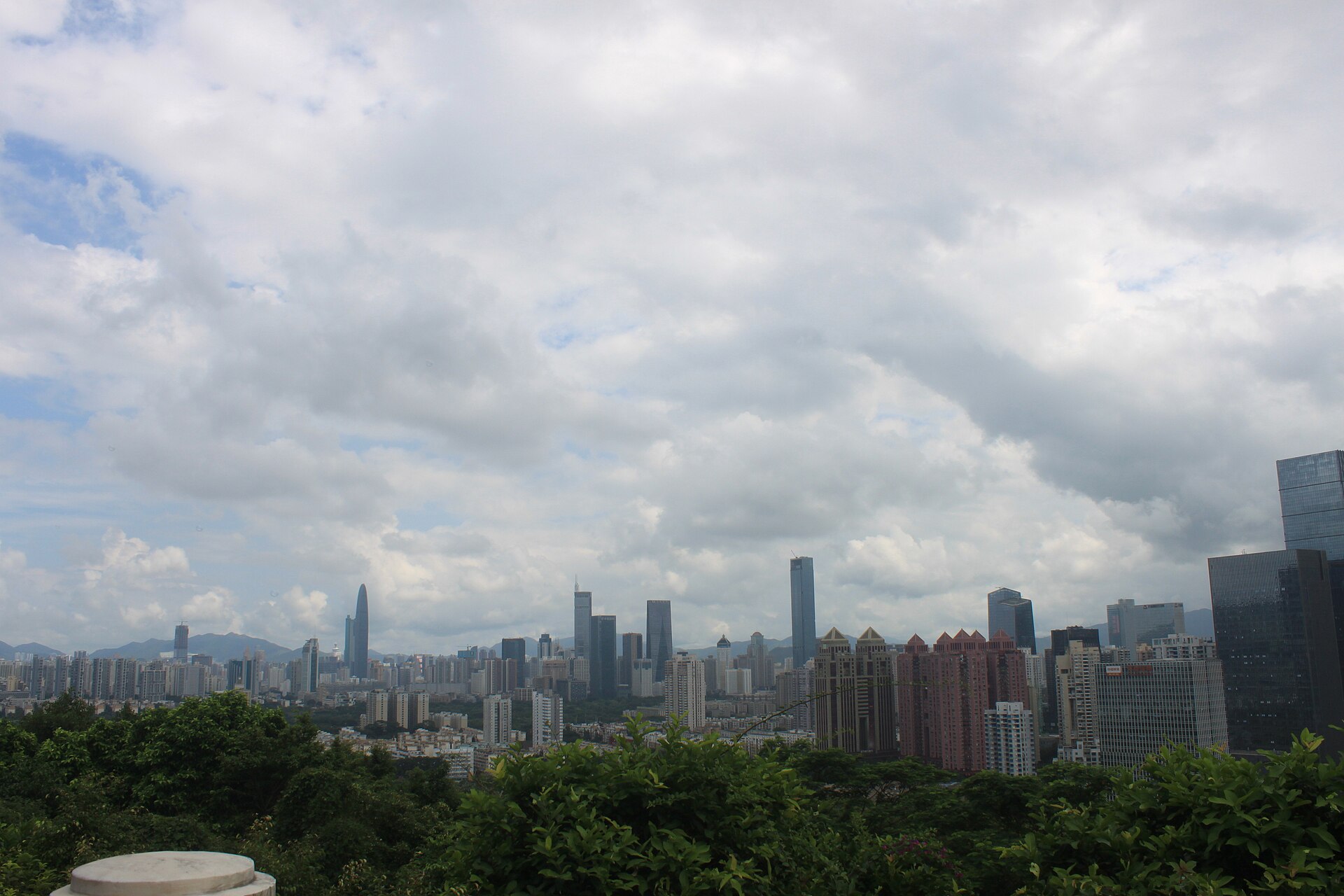
SHENZHEN, China — The leaders of the United States, China and Russia signed a short “peace declaration” on Thursday, 19 November 2026, after the first-ever three-way meeting between them. The document deals with United Nations reform, fuel supplies and nuclear risk. It does not mention the war in Ukraine.
Donald Trump, Xi Jinping and Vladimir Putin met at Kylin Villa, a state guesthouse in the southern Chinese city of Shenzhen, on the sidelines of the Asia-Pacific Economic Cooperation (APEC) summit. Xi hosted. The talks lasted roughly 90 minutes, according to Russia’s state news agency TASS, and ended without a joint news conference.
Reuters described the declaration as symbolic, noting that it came from the world’s three biggest nuclear powers but contained no commitments to cut their arsenals.
What the declaration says
According to the text released by the Kremlin and reported by TASS, Reuters and Euronews, the three governments:
- Pledged to advance reform of the United Nations, where all three hold permanent seats on the Security Council.
- Agreed to increase production and supply of fuel and refined petroleum products for countries around the world.
- Restated that a nuclear war cannot be won and must never be fought.
- Agreed to hold a dialogue on reducing nuclear risks and preventing the spread of nuclear weapons. No timetable was given.
- Backed the immunity of state officials in international courts and said bodies such as the International Criminal Court must not abuse their jurisdiction.
TASS said the leaders also reaffirmed their commitment to “strategic stability and international security.”
What it leaves out
The declaration makes no reference to Russia’s war in Ukraine, the conflict involving Iran, or North Korea, Reuters and Euronews reported. Kremlin spokesman Dmitry Peskov told reporters the summit did not focus on Ukraine.
Putin acknowledged at a news conference that the document did not set ambitious goals and said no country would be forced to comply with it, according to Reuters.
Arms-control experts noted the gap between the nuclear language and any concrete steps. “We need much more than rhetoric,” said Daryl Kimball of the Arms Control Association, quoted by Reuters.
What the leaders said
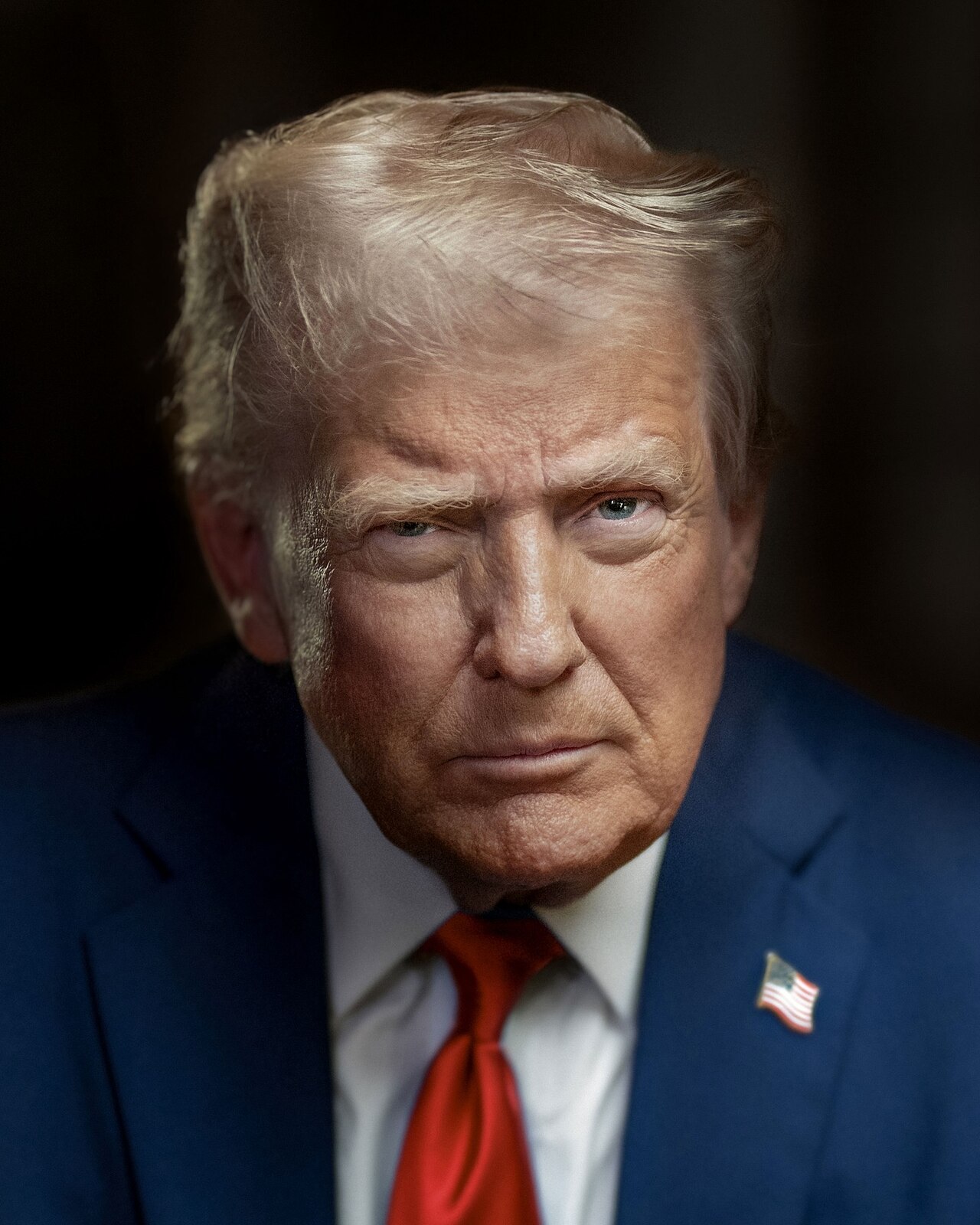
At the start of the meeting, before journalists were asked to leave, Trump told his counterparts: “We are really making history,” Reuters reported. He defended meeting rivals, saying no peace “was ever forged by declining opportunities for engagement.”
Xi said: “History tells us that when major powers live in harmony, the world is at peace.” Chinese state media quoted him describing the talks as “positive, constructive and fruitful.”
Putin called the meeting an important chapter in the history of diplomacy, Euronews reported, and said the three countries shared interests in settling regional conflicts, including Ukraine.
Trump and Xi also held separate talks before the three-way meeting, their third substantial meeting this year. Trump and Putin met one-to-one as well, their first face-to-face talks since their summit in Alaska in August 2025.
Reactions
Ukraine’s Foreign Minister Andriy Sybiha said on X that Shenzhen was not the “Yalta of Putin’s dreams,” a reference to the 1945 meeting where the Allied powers carved up post-war Europe.
France’s Foreign Minister Jean-Noël Barrot told RTL radio the three leaders “fundamentally disagree on everything, so they cannot agree on anything,” according to Euronews.
Jonathan Eyal of the Royal United Services Institute told Reuters that Putin gained credibility from the meeting, while smaller countries worried their interests could be ignored. “The big powers dictate, the small powers suffer,” he said.
What happens next
- G20 summit: the leaders could meet again in a few weeks at the G20 summit at Trump’s golf resort in Florida. Putin said he would consider attending, Reuters reported.
- Ukraine talks: hours after the summit, Ukrainian and European officials were due to meet Trump’s envoys Steve Witkoff and Jared Kushner in Berlin.
- Future three-way meetings: Kremlin aide Yury Ushakov said it was “too early to say” whether the format would be repeated.
With inputs from Reuters, AFP and TASS.
Read next
COP31 climate talks head for overtime after new draft drops fossil fuels
 Breaking
Myanmar committed genocide against Rohingya, UN top court rules
Ramayana: Part I crosses ₹800 crore in India in 15 days, breaks Bollywood’s Kerala jinx