Why the US Army says it must blow up 5 tonnes of unstable explosive in Iowa, even after a court pause
The Army says degraded lead azide at the Iowa Army Ammunition Plant could explode on its own as temperatures fall, and it plans to detonate it by 24 November. Environmental groups warn of lead dust; an appeals court has paused the EPA permit.
Key points
- The Army plans to destroy nearly 5 tonnes of degraded lead azide at the Iowa Army Ammunition Plant in Middletown by 24 November
- A federal appeals court paused the EPA emergency permit for the blast after environmental groups sued
- In a weekend filing, the Army said it would use a separate emergency exemption, citing a risk of spontaneous explosion as temperatures drop
- The blast will release a dust plume containing lead; some nearby residents were advised to leave for several hours
- The Army's modelling projects lead could settle over an area about 25 miles long and 5 miles wide
The US Army says it will blow up nearly 5 tonnes of a decaying explosive at a weapons plant in Iowa by Tuesday, 24 November, even though a federal appeals court has paused the permit that allowed it.
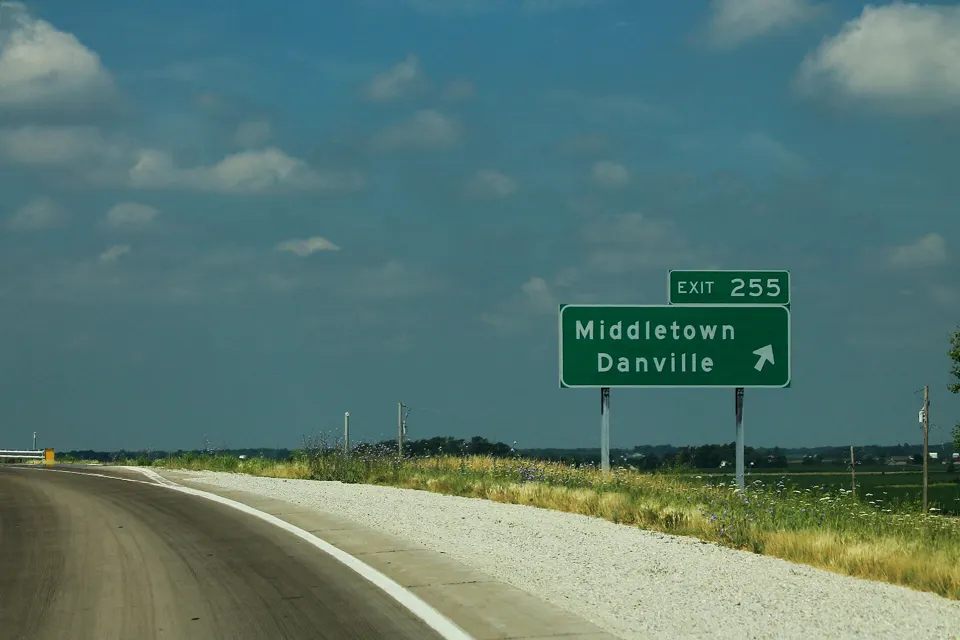
The material is lead azide, stored at the Iowa Army Ammunition Plant in Middletown, in the south-east of the state. The Army says it has become so unstable that moving it could set it off, and that falling temperatures this week make an accidental blast more likely.
What we know
- What: a controlled blast of degraded lead azide, nearly 10,000 lb in 68 drums.
- Where: the Iowa Army Ammunition Plant, Middletown, Iowa.
- When: by 24 November. The city of Fort Madison says it was told Monday or Tuesday.
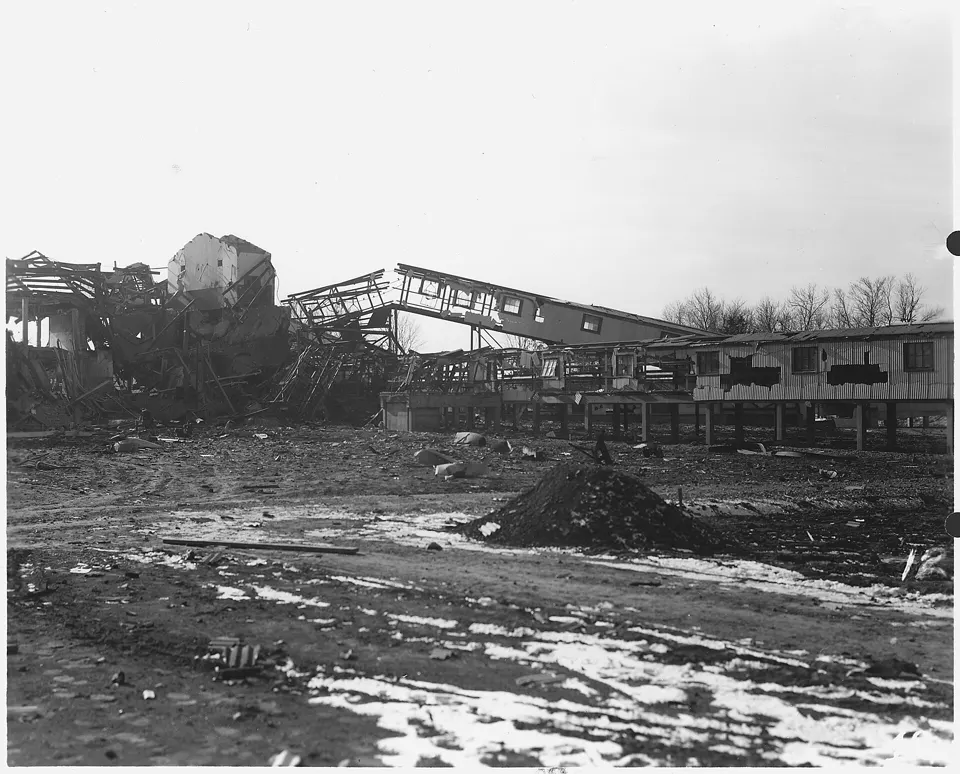
- Risk: a dust plume containing lead, loud noise, ground shaking and possibly broken windows, the Army says.
- Dispute: environmental groups say people were not warned properly and safer options were ignored.
What is lead azide?
Lead azide is a highly sensitive explosive used as a detonator: a small charge that sets off the main explosive in ammunition. According to the EPA, the stored material has recrystallised over time, making it more sensitive to friction and shock. Disturbing the containers could cause an accidental explosion.

How it reached court
- March: the Army found during routine checks that the lead azide had degraded, acting Army Secretary Adam Telle said.
- 13 November: the EPA granted an emergency permit for the blast, saying the material posed an "imminent and substantial" threat.
- 20 November: the original date, around midday. The Army postponed it to Monday after public concern.
- Thursday night: the Eighth Circuit Court of Appeals paused the EPA permit while it considers a request from the Iowa Environmental Council and the Sierra Club Iowa Chapter.
- Saturday: a Justice Department filing said the Army would use a separate emergency exemption in hazardous-waste rules and act by 24 November.
The Army's argument
The Army says the court paused the EPA's permit, not its own power to deal with an explosives emergency. Its filing warned of an "immediate risk" that the lead azide could explode as temperatures fall below 30°F (about -1°C). It also said the bunker is now more exposed to temperature changes, because its blast doors were removed to prepare for the detonation and cannot be put back.
The Army says it will wet the material to limit dust, monitor for contamination and give public notice.
Why residents and campaigners are worried
- Lead: "There is no safe level of lead exposure," the Iowa Environmental Council said. Lead harms children's brain development.
- Area: the Army's own modelling projects lead dust settling over an area about 25 miles long and 5 miles wide, including homes and waterways. The campaign groups say it could travel more than 100 miles.
- Warning time: the groups say many Iowans in the risk zone had only days to prepare, or were not told at all.
Residents near the plant were earlier advised to leave their homes for about six hours on the day, and those who could not were told to stay inside with doors and windows shut.
What to watch
- Whether the appeals court rules on the groups' request before the blast.
- The exact time of the detonation, and official evacuation advice for nearby towns.
- Lead monitoring results in the days after.
We will update this story when the detonation takes place.
More on The World Brief
Sources
- BBC News: US Army to detonate tonnes of unstable explosives in Iowa despite court order
- ABC News: Federal appeals court halts detonation
- KCRG: Army says it will proceed with lead azide detonation
- Iowa Capital Dispatch: Army plans to go ahead by 24 November
- Earthjustice: Groups sue to halt planned detonation