Is Russia about to put a nuclear weapon in space? What the 'Sputnik-S' reports say, and why it matters
German media report that Western intelligence believes Russia could launch a nuclear-armed satellite, dubbed 'Sputnik-S', within weeks. NATO chief Mark Rutte says the alliance will defend itself in space; the Kremlin dismisses the reports. Here is what is known and what such a weapon could do.
Key points
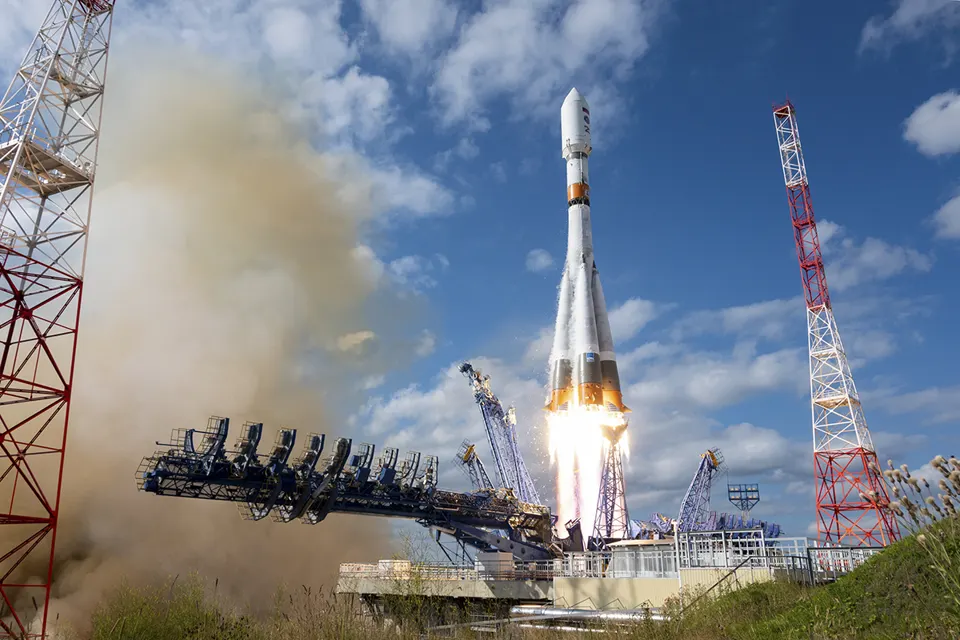
- German broadcasters NDR and WDR and the Sueddeutsche Zeitung reported intelligence that Russia may launch a nuclear-armed satellite within about 60 days
- The satellite, reportedly called 'Sputnik-S', could be used to disrupt or destroy other satellites
- NATO chief Mark Rutte said the alliance would defend 'every inch' of its territory, including in space
- Kremlin spokesman Dmitry Peskov said reports citing unknown sources were hardly worth taking seriously
- Russia has signed the 1967 Outer Space Treaty, which bans weapons of mass destruction in orbit
Western intelligence agencies believe Russia may be preparing to launch a nuclear-armed satellite within weeks, according to reports by German public broadcasters NDR and WDR and the newspaper Sueddeutsche Zeitung. The reports, which cite unnamed German military and intelligence sources, say the satellite is dubbed "Sputnik-S".
Russia rejects the claims. None of the details have been confirmed by any government on the record.
What we know
- The claim: intelligence shared among NATO countries this month says a launch could come in the next 60 days, the BBC reported, citing the German outlets.
- The weapon: a satellite fitted with a nuclear warhead, reportedly stored in the Moscow region, AFP reported.
- Its purpose: to disrupt or destroy other satellites, including communication and observation satellites.
- NATO: Secretary General Mark Rutte said the alliance will defend itself "when it comes to the space element".
- Russia: the Kremlin says reports citing "unknown sources" are hardly worth taking seriously.
What leaders said
Speaking in Berlin on Monday, Mark Rutte said NATO would always defend "every inch" of its territory, including in space, and that it had a range of response options. German Chancellor Friedrich Merz, standing alongside him, neither confirmed nor denied the reports, but said they showed "the level of escalation Russia is evidently prepared to pursue".
A German government spokesman said Berlin was taking the reports very seriously, but warned against excessive nervousness about hypothetical dangers, AFP reported. The head of the European Space Agency, Josef Aschbacher, called nuclear weapons in space "the ultimate nightmare scenario", according to Handelsblatt.

Russia's response
- Kremlin spokesman Dmitry Peskov said he had not seen the latest reports and that stories citing unknown sources were "hardly worth taking seriously".
- Russia's embassy in Berlin called them "unfounded allegations" and part of a propaganda campaign, the BBC reported.
- In 2024, when the US first said Russia was developing a nuclear anti-satellite weapon, President Vladimir Putin said Russia had always been against nuclear weapons in space.
Why a nuclear weapon in orbit is so dangerous
A nuclear blast in space would not need to hit a target directly. It would release a burst of radiation and charged particles that could damage or knock out many satellites at once, including ones that have nothing to do with the conflict. Modern life depends on satellites for navigation, banking, weather forecasts, TV and phone networks.
- The treaty: Russia, the US, China and India have all signed the 1967 Outer Space Treaty, which bans placing weapons of mass destruction in orbit.
- Other space weapons: the US said in September that it has "on-orbit, space-control weapons", without giving details, the BBC reported.
What it means for India
- India relies on its own satellites for communications, navigation (NavIC), weather forecasts and earth observation. A nuclear blast in orbit could put such satellites at risk, whoever the target is.
- India has long backed the peaceful use of outer space and is a party to the Outer Space Treaty.
- The reports also add to strain between Russia and NATO after Russian missiles landed in Poland this month.
With inputs from AFP.
More on The World Brief
- More world news
- Russian missiles land in Poland: what Tusk said
- Russian cargo ship Sparta II hit in the Gulf of Finland
Sources
- BBC (via MSN): NATO chief vows defence against space threat after Russian nuclear satellite reports
- The Times of India (AFP, via MSN): Rutte says alliance will defend against space threats
- Firstpost: Russia could deploy nuclear weapon in space by year-end
- UN Office for Outer Space Affairs: The Outer Space Treaty