Trump warns of fresh strikes on Iran after New Year if no deal: what he said and why it matters for India
US President Donald Trump says he is inclined to order new military strikes on Iran after the New Year if talks fail, calling Iran's negotiators 'professional tap dancers'. Here is what he said, how Iran has responded, and what it could mean for oil and India.
Key points
- Trump told Fox News on Sunday he is inclined to order strikes on Iran after the New Year if there is no agreement
- He accused Iran of using talks to stall and said it was more aggressive than before the US midterm elections
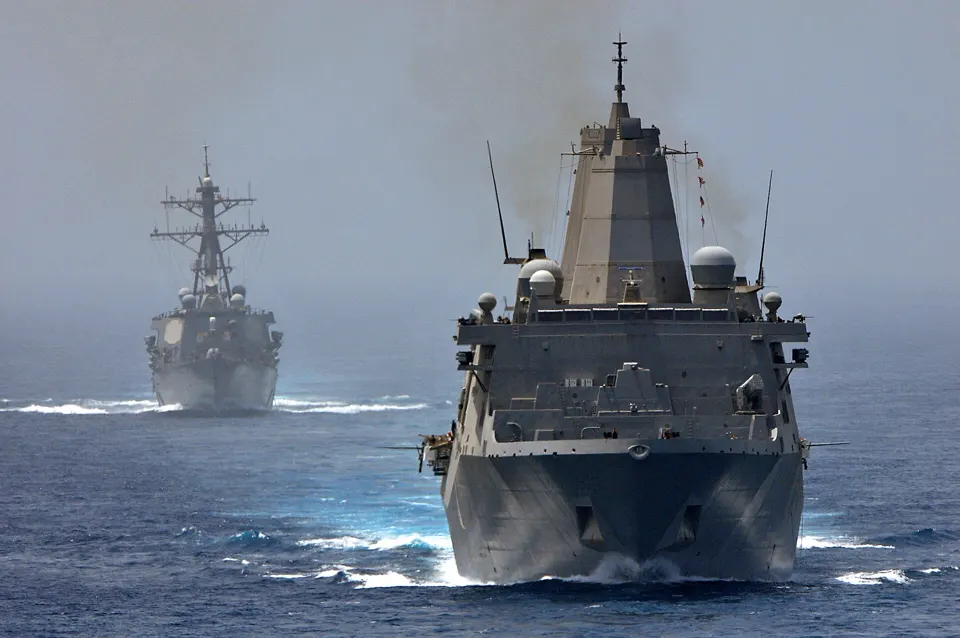
- He warned Iranian ships testing the US naval blockade, in place since April, would end up 'at the bottom of the sea'
- Iran's foreign minister says the Strait of Hormuz can reopen if the US accepts 'reasonable conditions'
- Iran's Revolutionary Guards claimed strikes on US radars in Bahrain; this could not be independently verified
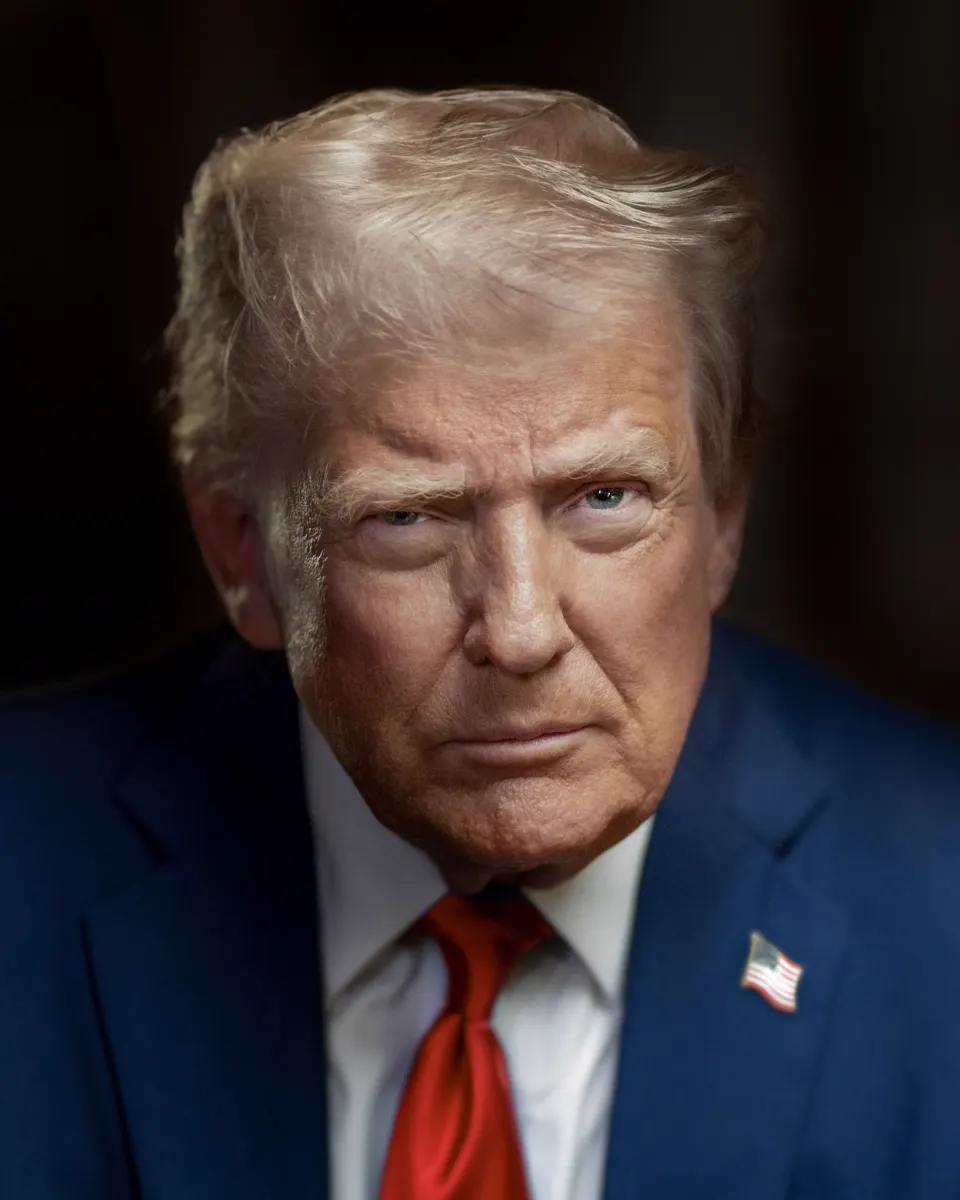
US President Donald Trump has said he is inclined to order fresh military strikes on Iran after the New Year if the two countries fail to reach a deal. He made the remarks in an interview with Fox News on Sunday, 22 November, as talks to end the nearly nine-month conflict drag on.
What we know
- The warning: new strikes after the New Year if there is no agreement. No exact date was given.
- On the talks: Trump called Iran's negotiators "professional tap dancers" and said they only talk.
- The blockade: the US has blocked Iranian ports since April. Trump warned ships that test it.
- Iran's position: Foreign Minister Abbas Araghchi says Hormuz can reopen if the US accepts "reasonable conditions".
- Fighting: both sides have traded strikes in the Gulf over the past week.
What Trump said
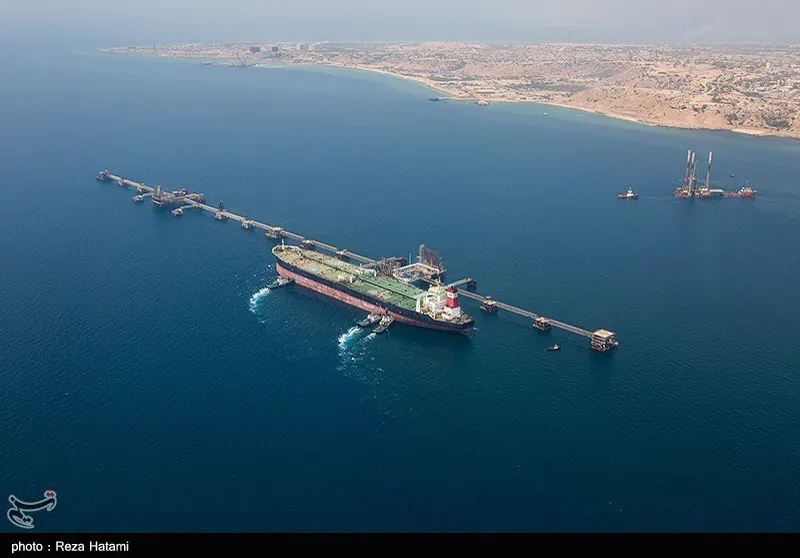
Trump told Fox News correspondent Trey Yingst that Iran was "more aggressive now than before the election", referring to the 3 November US midterms, which Democrats won. Asked whether Iran might try to break the US naval blockade, he said Iranian vessels would end up "at the bottom of the sea". Media reports had suggested Iran was preparing a convoy of tankers from Kharg Island, its main oil export terminal, according to NDTV.
A day earlier, Trump said any agreement must be "permanent" and must stop Iran from ever getting a nuclear weapon. On Truth Social, he also claimed Iran had fired more drones and missiles in the past week than at any point in over a year, and said they had all been shot down. He did not give details.
How Iran has responded
- Foreign Minister Abbas Araghchi said reopening the Strait of Hormuz would not be difficult if Washington honoured its commitments, according to Iran's Tasnim news agency, as reported by Al Jazeera.
- Iran has reportedly set out conditions for ending the conflict, including lifting the naval blockade and sanctions, and releasing frozen assets, The Week reported.
- Iran's Revolutionary Guards said they struck two US Patriot air defence radars at bases in Bahrain. Al Jazeera said it could not independently verify footage of the attack.
- Last week, Iran targeted a US air base in Kuwait and carried out attacks on Bahrain, after a US strike on a missile launch site on Qeshm Island, NDTV reported.
Why it matters for India
- Oil: India imports most of its crude oil. The Hormuz crisis pushed Brent crude to an average of about $125 a barrel in October. Read: India's oil and gas import bill jumps 60%.
- Prices at home: new strikes could push oil, fuel and transport costs up again.
- Indians in the Gulf: millions of Indians live and work in Gulf countries, including Kuwait and Bahrain, where Iranian strikes have been reported.
What happens next
Trump has swung between seeking a deal and saying the US does not need one. Talks are continuing, but neither side has publicly accepted the other's terms. Trump has pointed to the period after the New Year for any new strikes.
With inputs from agencies.
More on The World Brief
- More world news
- Iran's conditions for reopening the Strait of Hormuz
- Trump, Iran and the 'dirty bomb' rumour