SpiceJet crisis: pilots ask minister to curb flights, audit finances; market share down to 0.6%
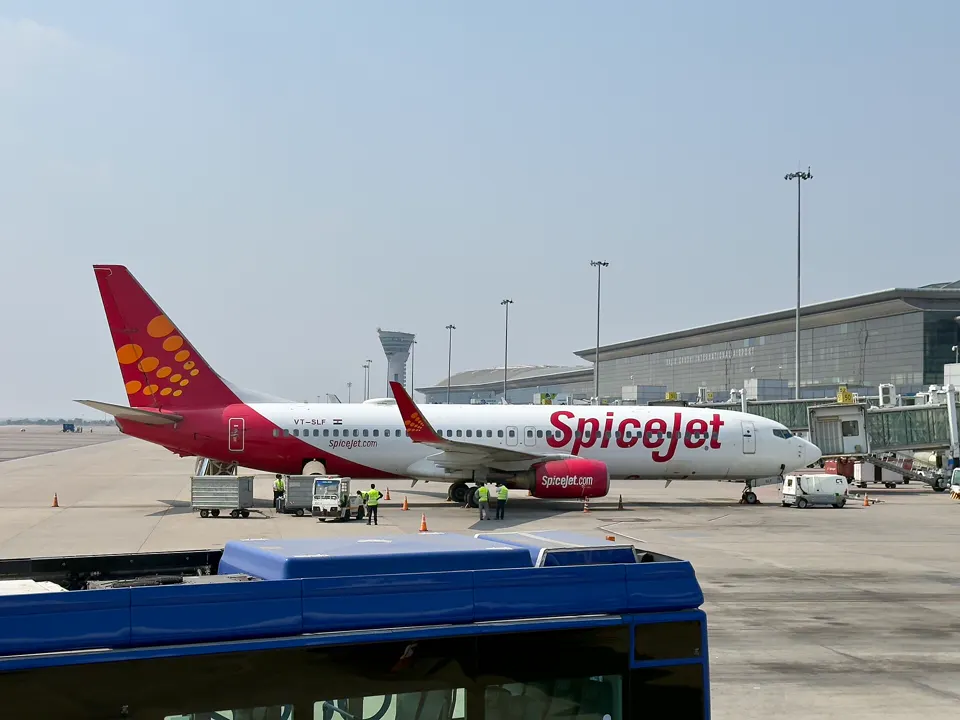
The Federation of Indian Pilots has written to Civil Aviation Minister Rammohan Naidu, warning that unpaid salaries and grounded planes at SpiceJet could affect safety. It wants a DGCA audit and limits on flights if the airline cannot prove it can operate safely.
Key points
- The Federation of Indian Pilots wrote to Civil Aviation Minister K Rammohan Naidu on 22 November
- It wants the DGCA to audit SpiceJet's cash, unpaid salaries, dues and fleet
- It says flights should be capped if SpiceJet cannot show it can run its schedule safely
- The DGCA issued SpiceJet a show-cause notice on 17 November, according to the letter
- SpiceJet's domestic market share fell from about 21% in 2014 to about 0.6% in October 2026, the pilots say
India's largest pilots' body has asked the government to step in at SpiceJet. It warns that the airline's money troubles, including salaries unpaid for months and planes stuck on the ground, could start to affect flight safety.
Key facts
- Who: the Federation of Indian Pilots (FIP), led by Captain C S Randhawa.
- To: Civil Aviation Minister K Rammohan Naidu, in a letter dated 22 November.
- Main ask: a DGCA audit of SpiceJet's finances and safety, and limits on its flights if needed.
- Show-cause: the DGCA issued SpiceJet a notice on 17 November, according to the letter.
- Market share: about 0.6% in October 2026, down from about 21% in 2014, according to the FIP.
What the pilots want
- The aviation regulator, DGCA, should check SpiceJet's real cash and working capital, unpaid salaries, and dues to airports, oil companies and aircraft lessors.
- It should check whether SpiceJet has enough working aircraft and crew to run its approved schedule within duty-time limits.
- It should verify the source and use of the airline's planned ₹5,500 crore fundraise.
- If SpiceJet cannot prove it can fly its schedule safely, its capacity should be cut, in the interest of passengers.

Why safety is at stake
The FIP warned that delayed salaries can cause stress, fatigue and loss of concentration among pilots and engineers. Financial distress can also delay spare parts, maintenance and engine support. Money problems "must not influence maintenance decisions", the federation said, and staff must be free to report safety concerns without fear.
How SpiceJet got here
The FIP blamed weak working capital, low fleet use, mounting dues and repeated reliance on new funding. A weaker rupee has raised dollar-linked costs such as aircraft leases and engine contracts. Jet fuel made up about 36% of SpiceJet's costs in 2024-25, the letter said, citing CARE Ratings. Some suppliers have reportedly put the airline on cash-and-carry terms.
According to the letter, the DGCA's 17 November show-cause notice cited operational disruptions, non-compliance, unpaid dues, grounded aircraft and the lack of a credible recovery plan, and gave SpiceJet seven days to reply.
What it means for passengers
- If you have a SpiceJet booking, check your flight status before leaving for the airport.
- Under DGCA rules, passengers are entitled to a refund or alternative flight when an airline cancels.
- Consider paying by credit card, which can offer extra protection if an airline fails.
We could not find a public response from SpiceJet or the ministry to the letter at the time of writing.