Bisleri water sample 'unsafe': FSSAI orders prosecution after bromate and PAHs found. What it means for you
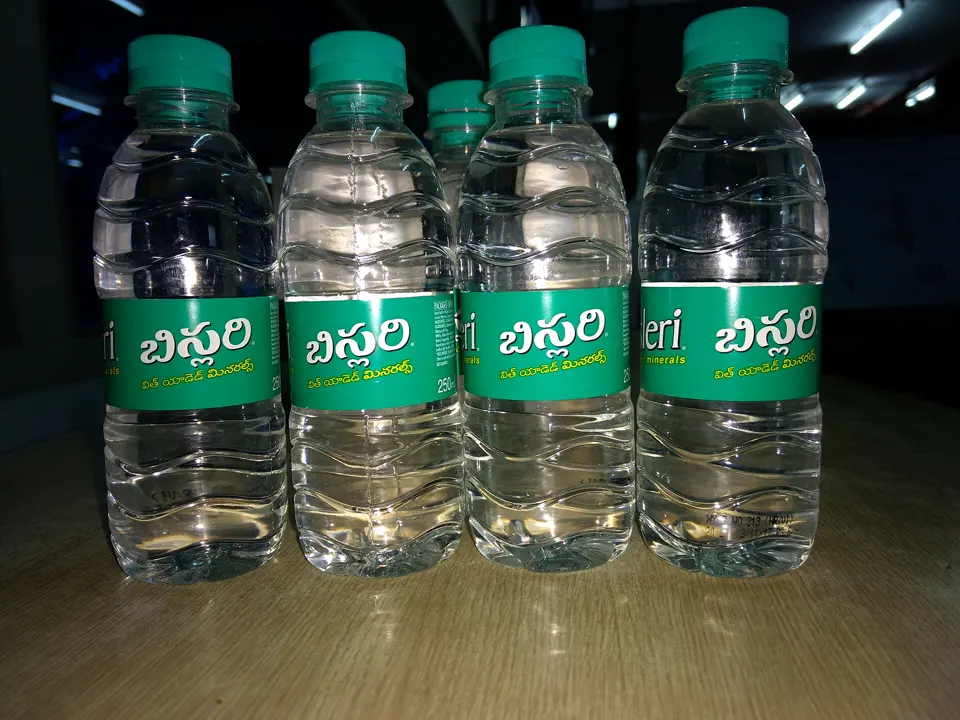
India's food regulator has sanctioned prosecution against Bisleri International after a packaged drinking water sample failed bromate limits, and a referral lab then found polynuclear aromatic hydrocarbons. Here is what was found, and what consumers should know.
Key points
- FSSAI has sanctioned prosecution against Bisleri International under the Food Safety and Standards Act, 2006
- A packaged drinking water sample from Bisleri's premises failed the limit for bromate
- On appeal, a referral lab also declared it unsafe after finding polynuclear aromatic hydrocarbons (PAHs)
- Both bromate and PAHs are classed as possible or known cancer-causing substances
- FSSAI has not said this affects all Bisleri water; it concerns one regulatory sample
India's food safety regulator, the Food Safety and Standards Authority of India (FSSAI), has sanctioned prosecution against Bisleri International after a sample of its packaged drinking water was declared unsafe by two laboratories.
What we know
- The product: "Packaged Drinking Water (other than Mineral Water)", a sample collected from Bisleri's premises.
- First test: failed the legal limit for bromate.
- Second test: on Bisleri's appeal, a referral laboratory also found it unsafe, this time over PAHs.
- Action: prosecution sanctioned under the Food Safety and Standards Act, 2006.
- Not yet public: the batch, plant location and sampling date.
What FSSAI said
In a statement, FSSAI said the regulatory sample "was found non-compliant with the prescribed bromate limits and declared unsafe". After the company appealed, the sample went to a Referral Food Laboratory, which "also declared it unsafe due to the detection of polynuclear aromatic hydrocarbons (PAHs)". FSSAI said the findings established violations relating to unsafe food, and sanction had been granted to prosecute the company.
What are bromate and PAHs?
- Bromate can form when water containing bromide is disinfected with ozone, a common step in bottling. Long-term exposure above safe levels is linked to cancer risk, which is why it has a strict legal limit.
- PAHs (polynuclear aromatic hydrocarbons) are chemicals that form when coal, oil, wood or fuel burn. Some PAHs are known to cause cancer.
Health experts stress that risk depends on how much and for how long a person is exposed. A single failed sample does not mean every bottle on the shelf is unsafe.
Should you stop drinking it?
FSSAI has not announced a recall of Bisleri water or said the problem affects all its products. The action concerns one regulatory sample. Bisleri has the right to defend itself in court. We could not find a public response from Bisleri at the time of writing, and will update this story if the company comments.
What you can do:
- Check bottles are sealed and carry the ISI mark and an FSSAI licence number, which packaged water must have.
- Do not leave bottles in hot cars or direct sunlight.
- Report food safety problems on FSSAI's Food Safety Connect app or website.
Other FSSAI action the same day
In the same set of orders, FSSAI told Asha Confectionery to recall a batch of chocolate-filled cookies. Tests found an undeclared colour, carmosine; tartrazine above the permitted limit; and Sunset Yellow FCF, which is not allowed in that food category.