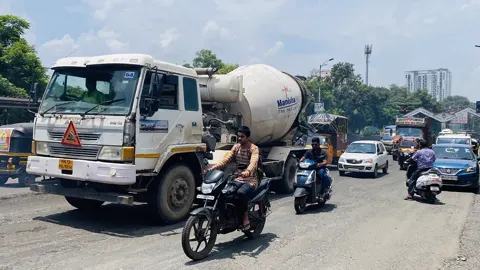
SBI Credit Card new charges from 1 December 2026: 1% fee on fuel spends above ₹50,000 and transport payments above ₹30,000
From 1 December, SBI Card will charge 1% on any single transport payment above ₹30,000 and on your entire fuel spend if it crosses ₹50,000 in a billing cycle, its official notice says. Here is how the fee works, with examples, and how to avoid it.
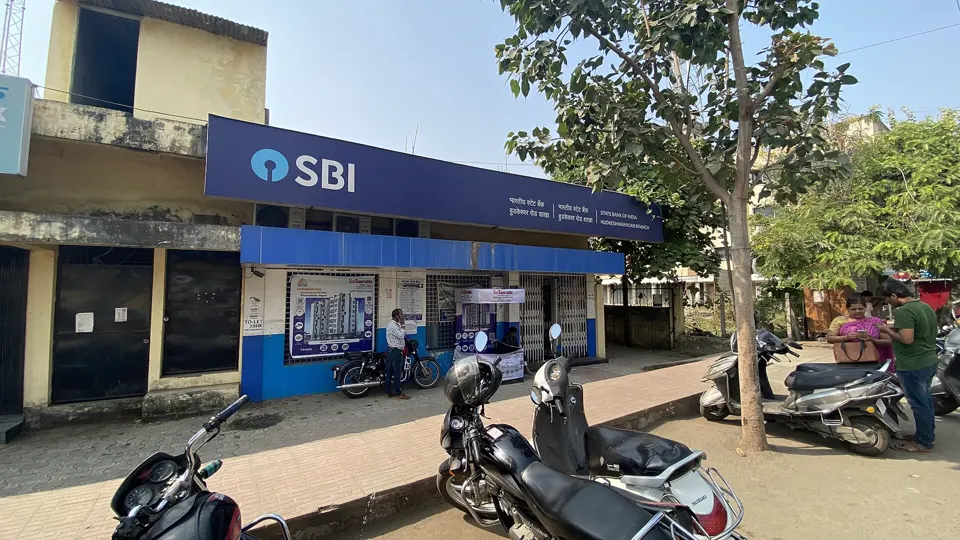
Key points
- From 1 December 2026, SBI Card charges 1% on each transport payment above ₹30,000.
- If total fuel spend in a billing cycle crosses ₹50,000, 1% is charged on the entire fuel amount.
- GST at 18% is added on top of the fee.
- Most personal users are unaffected; fleet and taxi operators will feel it most.
- Track your billing cycle and split large fuel spends to avoid the fee.
SBI Card, the credit card arm of State Bank of India, will start charging extra fees on large fuel and transport payments from Tuesday, 1 December 2026. The change is in an official notice dated 27 October on the SBI Card website and applies across all SBI credit cards, Business Today and Mint reported.
The two new charges
- Transport: a fee of 1% on every single transportation transaction above ₹30,000. This covers payments coded as commuter transport, tolls and bridge fees, and bus services (merchant codes 4111, 4784 and 4131).
- Fuel: if your total fuel spending in one billing cycle crosses ₹50,000, a 1% fee is charged on the whole fuel amount, not just the part above ₹50,000. This covers petrol pumps, fuel dealers and dispensers (merchant codes 5172, 5541, 5542 and 5983).
- GST: GST at 18% is charged on top of the fee.
How much you will pay: examples
- Transport payment of ₹30,000: no fee (it must be above ₹30,000).
- Transport payment of ₹35,000: ₹350 fee, plus GST (about ₹413 in total).
- Transport payment of ₹50,000: ₹500 fee, plus GST (about ₹590).
- Fuel spend of ₹48,000 in a billing cycle: no fee.
- Fuel spend of ₹55,000 in a billing cycle: ₹550 fee on the full amount, plus GST (about ₹649).
- Fuel spend of ₹1,00,000 in a billing cycle: ₹1,000 fee, plus GST (about ₹1,180).
Who is affected
Most ordinary users who fill fuel for a personal car or bike will not be affected, because monthly fuel bills rarely cross ₹50,000. The fees mainly hit:
- Taxi operators, fleet owners and small transport businesses that pay fuel on one card.
- People who pay large transport bills, such as bus or travel bookings, in a single card payment.
How to avoid the fee
- Track your billing cycle, not the calendar month. The ₹50,000 fuel limit counts from one statement date to the next.
- Split fuel spends across cards, or use UPI or a debit card when you are close to the limit.
- Check how a merchant is coded: SBI Card says merchant codes are set by card networks and can change.
- Read the official schedule of charges on sbicard.com before making large payments.
Other money changes in December
LPG cylinder prices are revised by oil companies on the 1st of every month, and the RBI's monetary policy committee announces its interest-rate decision on 4 December, which can affect loan EMIs. See our full guide: December 2026 money deadlines and rule changes.
Last checked: 25 November 2026, against reports of SBI Card's official notice. This article is for information only and is not financial advice.