Huawei found guilty in US trial of trade secret theft and bank fraud over Iran, but cleared of racketeering
A Brooklyn jury convicted China's Huawei on 10 of 12 counts, including conspiracy to steal trade secrets, bank fraud and US sanctions violations linked to Iran, but acquitted it of the top racketeering charge. Huawei says it will fight on; sentencing is set for September 2027.
Key points
- A Brooklyn jury convicted Huawei on 10 of 12 counts, including trade secret theft and bank fraud linked to Iran.
- Huawei was acquitted of the top racketeering conspiracy charge.
- US Attorney General Todd Blanche said Huawei did business in the US 'on the basis of lies and theft'.
- Huawei says the acquittal vindicates it and is expected to appeal; sentencing is set for September 2027.
- India already keeps Huawei out of its 5G networks on security grounds.
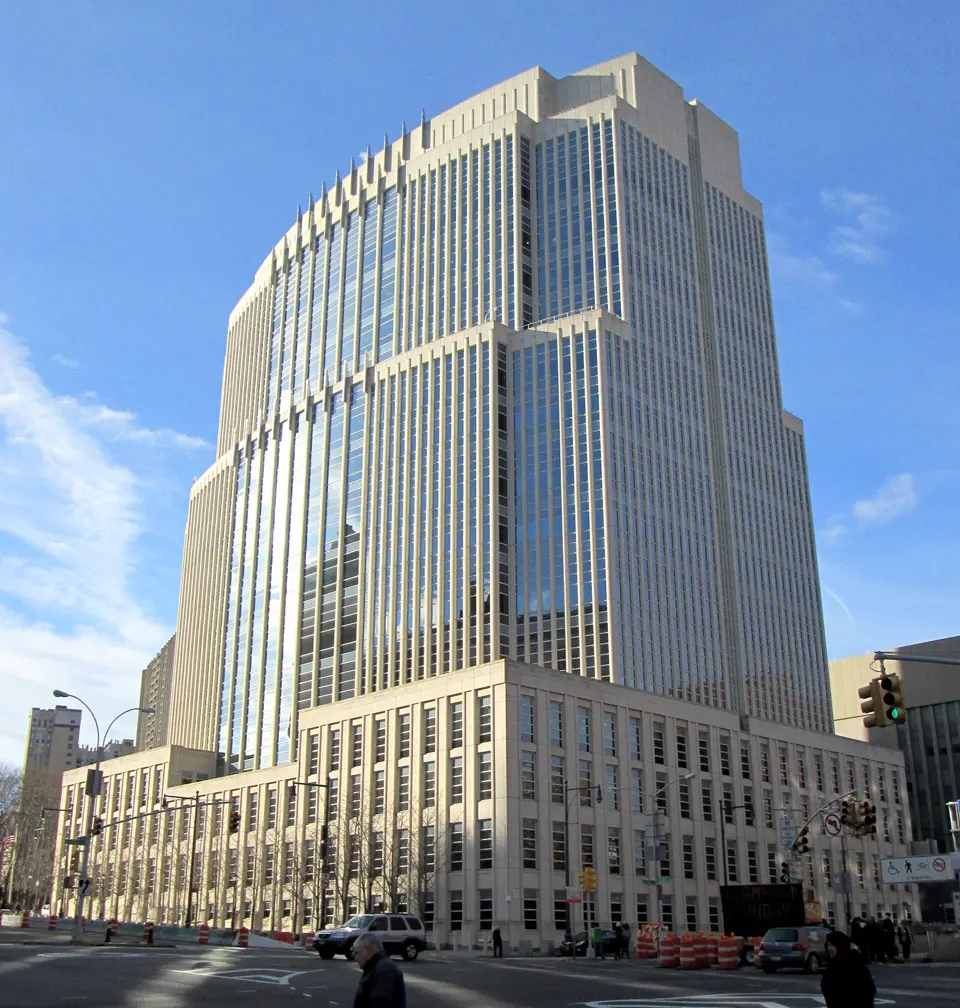
A US federal jury in Brooklyn has found Chinese technology giant Huawei guilty of conspiracy to steal trade secrets, bank fraud and conspiracy to violate US sanctions, but not guilty of the most serious charge, racketeering, the BBC and Reuters reported on 24 November.
After a two-month trial, jurors convicted Huawei on 10 of the 12 counts it faced. The racketeering conspiracy charge would have required the jury to find that the company operated like a criminal enterprise.
What Huawei was accused of
- Bank fraud: lying to banks, including HSBC, about its business dealings in Iran so they would keep processing its transactions.
- Sanctions: conspiring to break US sanctions on Iran.
- Trade secrets: conspiring to steal technology from rival companies.
"For decades, Huawei and three of its subsidiaries conducted their business in the United States on the basis of lies and theft," US Attorney General Todd Blanche said in a statement.
Huawei's response
Huawei said the racketeering acquittal confirmed that the allegations "lack factual basis" and vindicated its position over the past eight years. Its lawyer, Brian Heberlig, told the BBC the company was "gratified" the jury rejected the racketeering count, which he called a "significant overreach", but that Huawei had hoped for acquittal on every charge. He said the company is expected to appeal.
The long road to this verdict
- Late 2018: Huawei executive Meng Wanzhou, daughter of the company's founder, is arrested in Canada at the US's request.
- 2019: US prosecutors announce charges against Huawei.
- 2021: Meng returns to China after a deal with US prosecutors; in it, she admitted Huawei did business in Iran, an admission a judge allowed at trial.
- 2026: two-month trial in Brooklyn ends with a split verdict.
- September 2027: sentencing is scheduled.
What we don't know yet
- The penalty; as a company, Huawei faces fines rather than prison.
- How China's government will react, and whether it affects US-China trade talks.
Why it matters
Huawei is one of the world's biggest telecom equipment makers, with operations in about 170 countries and more than 200,000 staff, and is now also a rival to Nvidia in AI chips. The verdict strengthens Washington's long-running case that Huawei is a security risk, even though the jury rejected the claim that it is a criminal organisation.
What it means for India
India has already kept Huawei and ZTE out of its 5G network rollout on security grounds, and Indian tax authorities have investigated the company's local units. The US verdict is likely to reinforce India's cautious approach to Chinese telecom equipment.
With inputs from BBC and Reuters.