Nvidia Board Reinstates Jensen Huang as CEO After 11-Day Absence Following U.S. Security Input
Nvidia's board reinstated Jensen Huang as CEO on Nov 23 after an 11-day absence, sparking a 31.48% stock surge while Congress probes export-control questions.
Key points
- Nvidia's board unanimously reinstated Jensen Huang on Nov 23 after an 11-day absence, restoring him as CEO and director.
- Nvidia shares surged 31.48% on Nov 23 to $165.05—their biggest daily gain since 2003—before pulling back 5.86%.
- U.S. lawmakers maintain December 1–2 transcribed interviews for Huang and Nvidia's general counsel over export-control disclosures.
Nvidia Corporation has reinstated co-founder Jensen Huang as President, Chief Executive Officer, and Board Director just 11 days after accepting his resignation, executing one of the most dramatic leadership reversals in Silicon Valley history. Announced ahead of the market open on Monday, November 23, 2026, following a unanimous board vote on November 22, the move sent Nvidia shares soaring 31.48% in a single session and thrust corporate governance, Washington lobbying, and U.S. national security oversight into sharp conflict.
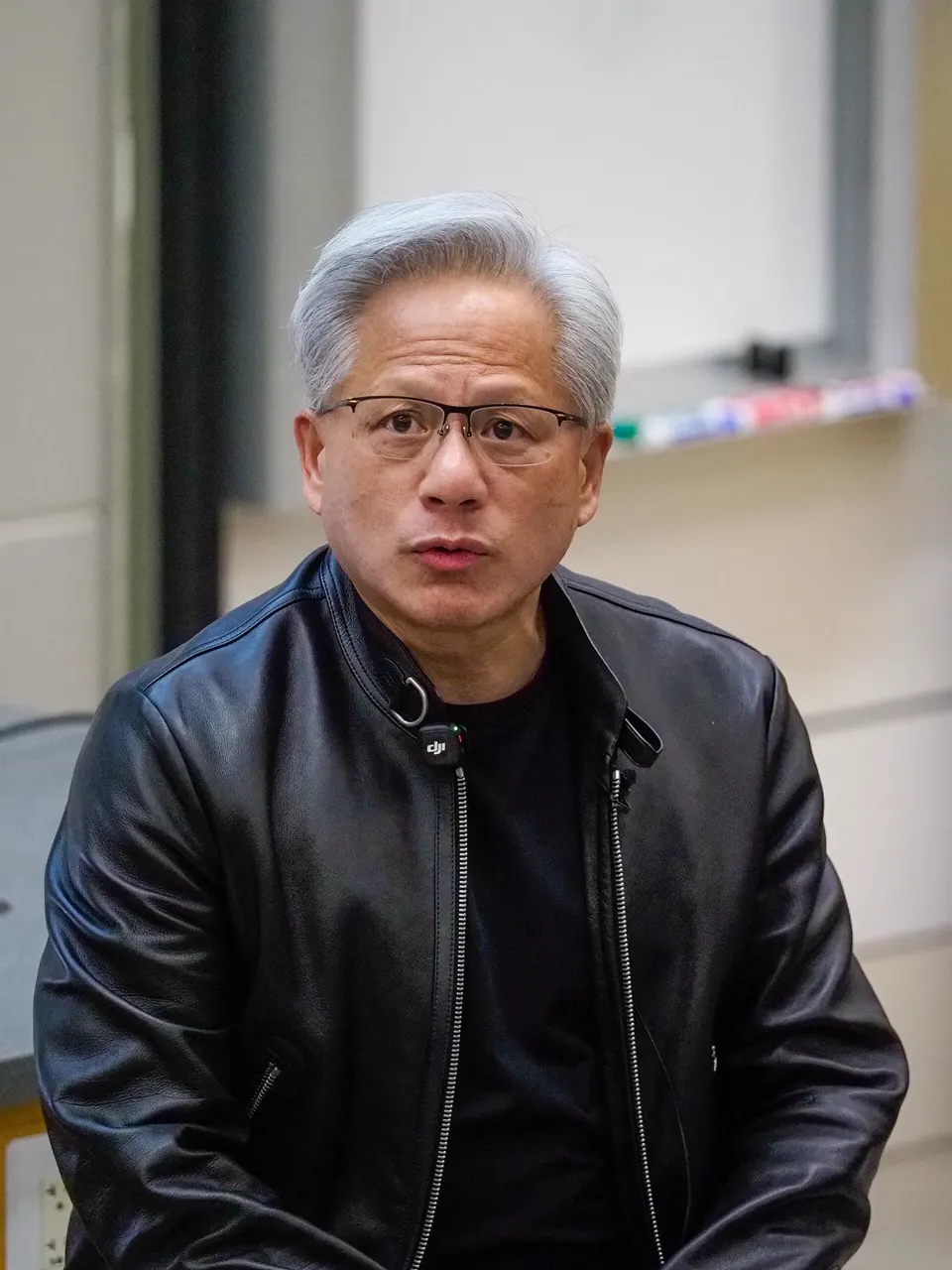
Under the company's SEC Form 8-K filing and official November 23 press release, Interim CEO Colette Kress returned solely to her role as Executive Vice President and Chief Financial Officer, while Harvey C. Jones—appointed Nvidia's first-ever Board Chair during the November 12 transition—retained the chairmanship. On Tuesday, November 24, Huang addressed employees at an all-hands meeting in Santa Clara, California, acknowledging "some terrible mistakes" while insisting he is not above Nvidia's code of conduct.
The 11-Day Timeline and $1 Trillion Market Whip-Saw
- November 11–12, 2026 (Resignation): Following The New York Times reports detailing an extramarital relationship with a direct executive subordinate—compounding late-October disclosures involving a former executive at Singapore-based chip firm Megaspeed, scrutinized by U.S. intelligence over alleged AI chip diversion to China—Nvidia's board accepted Huang's resignation on November 11 and appointed CFO Colette Kress as Interim CEO on November 12.
- November 12–21, 2026 (Turmoil & Pressure): Nvidia's board formed a National Security and Export Control Oversight Committee while Kress delivered a $115.8 billion third-quarter revenue report. Meanwhile, Nvidia's stock slid from $173.73 on November 11 and $166.19 on November 12 down to $125.53 on November 20—erasing over $1 trillion from prior peaks and dragging valuation near $3.14 trillion. Employee petitions, Silicon Valley investors including Elon Musk and Altimeter's Brad Gerstner, and public comments from President Donald Trump urged his return.
- November 22–23, 2026 (Reinstatement & Surge): On Sunday, November 22, Nvidia's board voted unanimously to bring Huang back. Shares surged 31.48% (+$39.52) on November 23 to close at $165.05—Nvidia's largest one-day percentage jump since 2003, lifting market value back above $4 trillion—before slipping 5.86% on November 24 to $155.38 amid profit-taking and political scrutiny.
- November 24, 2026 (Santa Clara All-Hands): Huang told staff he is in therapy, rejected claims that President Trump forced the board's hand, and reiterated his skepticism toward traditional CEO succession planning.
Board National Security Assurances vs. White House Claims
In explaining its rapid reversal, Nvidia's board said in its November 23 release that it had received input from senior levels of the US government and, based on that, was confident Huang's return "poses no national security risk." Board Chair Harvey C. Jones said the decision served the best interests of stockholders, employees, partners and customers.
Yet the political optics immediately ignited debate in Washington. Speaking by phone to CNBC on November 23, President Trump took open credit for the turnaround, saying he had spoken to the board: "I convinced them. I made the deal." Attorney General Todd Blanche described Nvidia as a "good corporate citizen" and indicated Huang is not personally the target of a criminal Justice Department investigation, even as SEC and California Attorney General inquiries tied to export-control disclosures remain active.
At his November 24 staff meeting, Huang sought to reset internal accountability. He told employees that his image as a "tech bro" did not place him above the law or the company's code of conduct, and said there had been no threat to national security.
Wall Street Relief Collides With Governance & Congressional Backlash
Market bulls celebrated the return as essential for global AI infrastructure continuity. Wedbush analyst Dan Ives argued the board had "no choice," calling the reinstatement the move the U.S. technology sector and global economy needed.
Governance experts and lawmakers on both sides of the aisle, however, voiced sharp alarm. Yale School of Management professor Jeffrey Sonnenfeld called the episode a "complete failure of corporate governance" and urged the board to resign, while J. Gold Associates analyst Jack Gold warned it sends the message that top executives do not have to "play by the rules and established norms."
On Capitol Hill, bipartisan leaders refused to treat the board's clearance as the final word. Senator Elizabeth Warren demanded that both Nvidia and the Trump administration explain what government "input" backed the reinstatement. House committee chairmen John Moolenaar, Brian Mast, and Rick Crawford confirmed in a joint statement that Huang and Nvidia General Counsel Tim Teter are still scheduled for transcribed congressional interviews on December 1 and December 2, 2026, noting the board's brief review "do[es] not erase the national security threats and questions that must be addressed."
Why This Matters
Nvidia sits at the center of global AI computing—including massive data-center deployments across India's sovereign cloud and enterprise tech hubs. How Nvidia balances founder dominance, board independence, and U.S. export-control compliance will shape chip supply predictability and AI infrastructure valuations worldwide entering 2027.
What Happens Next
Attention shifts directly to Washington on December 1 and December 2, 2026, when Jensen Huang and General Counsel Tim Teter sit for transcribed interviews before U.S. House national-security and foreign-affairs investigators. Investors will also watch whether Nvidia's board tightens executive oversight or revisits succession planning under shareholder and regulatory pressure.
With inputs from official filings and statements, and the outlets listed below.