US approves SpaceX plan for up to 1 million 'data centre' satellites: what Starmind is and why it matters
The US Federal Communications Commission has authorised SpaceX's Starmind network of up to 1 million satellites that would work as data centres in space for AI computing. SpaceX must start launching by November 2033 and have 100,000 in orbit by November 2035.
Key points
- The FCC authorised SpaceX's 'Starmind' constellation of up to 1 million satellites on 25 November
- The FCC called it the first US authorisation for a constellation of space-based data centres
- Deadlines: launches must start by November 2033, 100,000 in orbit by November 2035 and 500,000 by November 2038
- SpaceX says solar-powered satellites will be cheaper and cleaner than data centres on Earth
- Critics, including Amazon's satellite unit, doubt the full network can ever be built
The United States has given SpaceX permission to launch up to 1 million satellites that would work as data centres in space, crunching numbers for artificial intelligence (AI) in orbit and sending the results back to Earth.
The Federal Communications Commission (FCC) announced the decision on Wednesday, 25 November. It called it the first authorisation in US history for a constellation of space-based data centres. Elon Musk's company calls the network Starmind.
Quick facts
- Approved: up to 1 million Starmind satellites that act as orbiting computers.
- Deadlines set by the FCC: start launching by November 2033; at least 100,000 in orbit by November 2035; 500,000 by November 2038.
- How they talk: laser (light-based) links between satellites, with radio as backup.
- SpaceX timeline: Musk has said demonstrations could begin in late 2027, with wider deployment from 2028.
- For scale: SpaceX's Starlink internet network has just over 11,000 satellites in orbit today.
What is Starmind?
AI models need huge data centres that use enormous amounts of electricity, land and water for cooling. SpaceX wants to move some of that computing into orbit, where satellites can run on near-constant sunlight.
In its application, SpaceX told the FCC the satellites would achieve "transformative cost and energy efficiency" while reducing the environmental impact of data centres on the ground, Hindustan Times reported, citing Reuters.
What the FCC said
FCC Chairman Brendan Carr said the approval would support the computing power America needs to stay ahead in AI. "By moving compute capacity beyond Earth, SpaceX and the many competitors working on their own orbital data centers are meeting the moment," he said in a statement quoted by USA Today.
The FCC said Starmind would follow its rules on orbital debris and that it is still reviewing other companies' proposals for orbital data centres.

Can it really be built?
An approval is not a launch. Satellite companies often ask for permission for far more spacecraft than they plan to fly, to keep their options open. SpaceX first sought approval for 42,000 Starlink satellites but has just over 11,000 in orbit, Reuters noted.
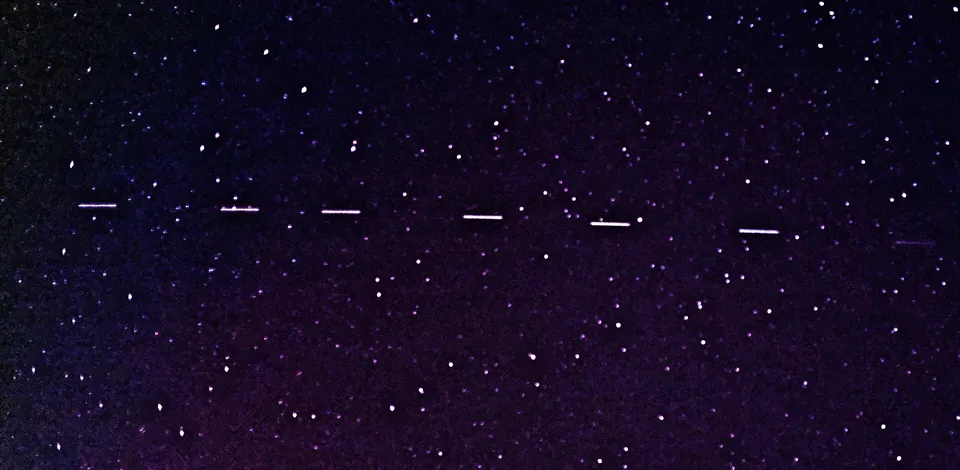
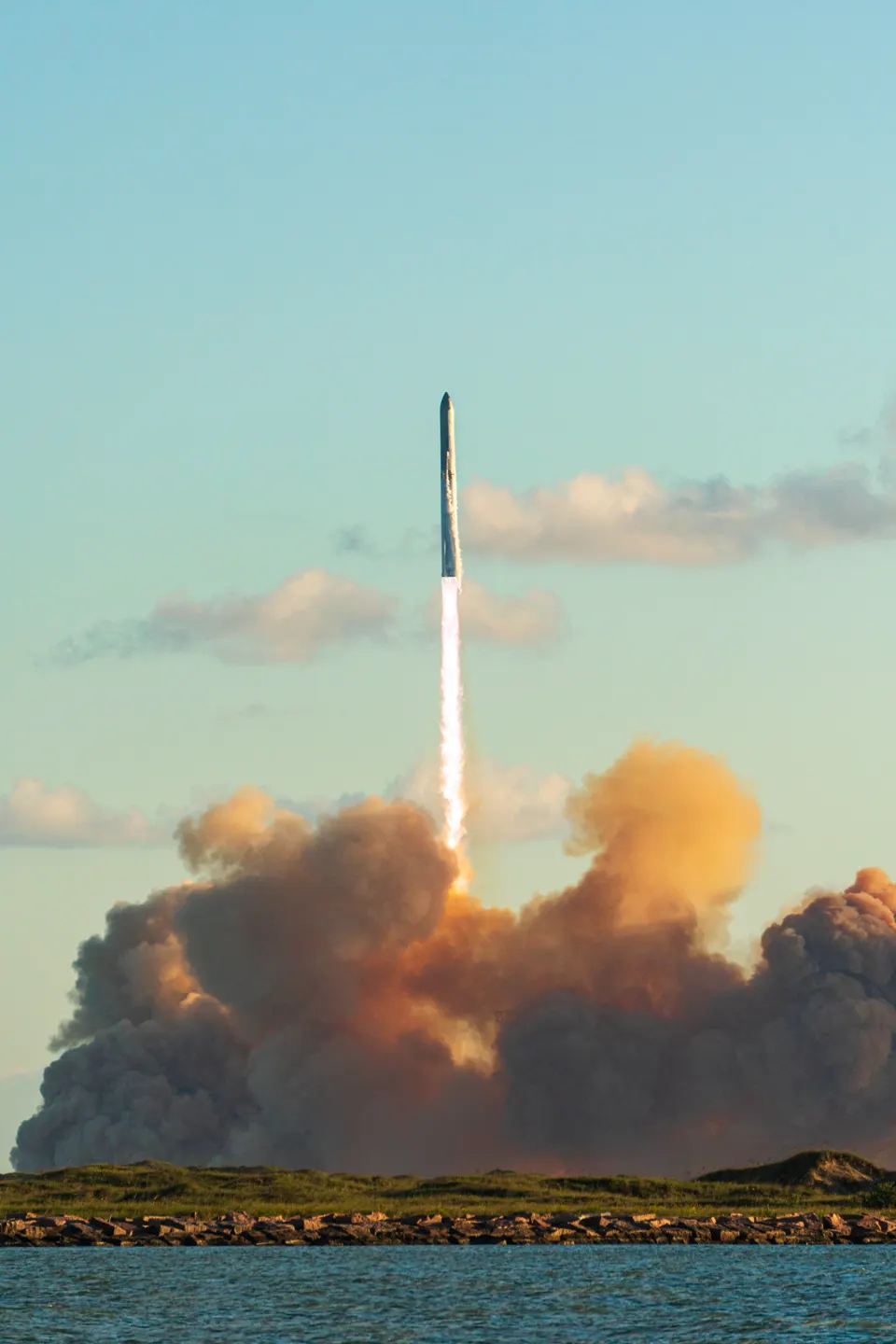
Critics, including Amazon's satellite unit, have argued that deploying the full constellation could take centuries. The plan also depends on cutting the cost of launches with Starship, SpaceX's giant rocket that is still being tested. Astronomers have long warned that very large constellations leave bright streaks across telescope images and add to the risk of collisions in orbit.
What it means for India
- AI race: the US is betting that computing power, not just chips, will decide who leads in AI. India is building ground-based AI data centres under the IndiaAI Mission and through private firms.
- Space traffic: a million more satellites in low orbit would make space more crowded for ISRO's satellites and India's growing private space companies.
- Satellite internet: Starlink already has Indian approvals for broadband; Starmind is a separate computing network, not an internet service for users.
What we don't know yet
SpaceX has not given the cost of the project, the size of each satellite or when the first Starmind spacecraft will fly. It is also unclear what conditions the FCC attached on brightness and debris beyond its standard rules.
With inputs from Reuters and USA Today.
More on The World Brief
Sources
- Reuters: US authorizes SpaceX to deploy 1 million satellites for data centers in space
- USA Today (via MSN): FCC approves SpaceX plan for 1 million data center satellites in space
- Hindustan Times (via MSN): FCC approves SpaceX plan to launch up to 1 million AI data centre satellites
- CNBC: SpaceX wins FCC approval to deploy 1 million orbital data center satellites
- Federal Communications Commission (official website)