Strait of Hormuz: 3 vessels hit by projectiles as shipping stays 65% below pre-war levels; what it means for India's oil
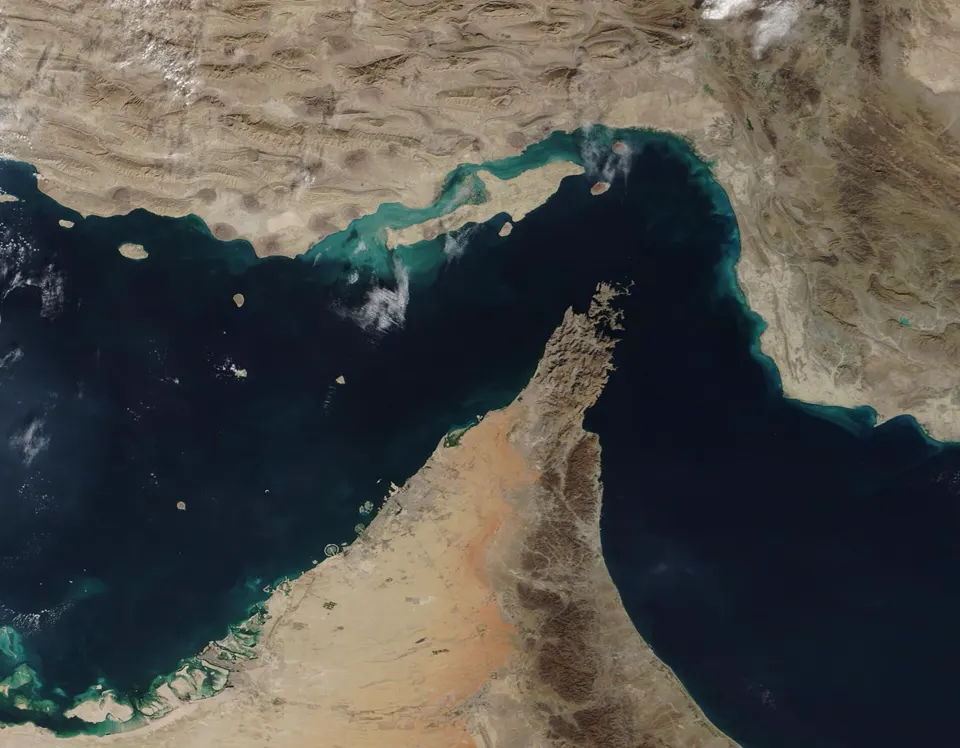
The UK's maritime security agency UKMTO says three vessels were struck by projectiles in the Strait of Hormuz on Monday evening; all crews are safe. Iran's IRGC claims ships hit mines. Traffic through the vital oil route is about 65% below pre-war levels.
Key points
- UKMTO says three vessels were hit by projectiles in the Strait of Hormuz on 23 November; all crews safe.
- Iran's IRGC claims tankers hit mines; the US has called earlier such claims false.
- Traffic through the strait is about 65% below pre-war levels, with 106 incidents since February.
- The US is probing cyberattacks and bomb threats against at least 50 tankers.
- Indian crew have been hurt in recent attacks; India's oil and LPG supplies depend on the route.
Three vessels were struck by projectiles in the Strait of Hormuz on Monday evening, 23 November, the United Kingdom Maritime Trade Operations (UKMTO) centre said on Tuesday. All three continued their journeys and all crew members were accounted for, ABC News reported.
Separately, Iran's Islamic Revolutionary Guard Corps (IRGC) Navy claimed that several tankers hit naval mines in the strait while travelling "illegally", according to Iran's IRNA news agency. The US military's Central Command has called similar IRGC claims false in the past.
What we know so far
- Latest attacks: three vessels hit by projectiles on Monday evening; crews safe (UKMTO).
- Another incident: a bulk carrier at anchor off the UAE was hit by an "unknown projectile" on Sunday, UKMTO confirmed.
- Cyber threats: US officials are investigating whether Iran is behind cyberattacks on at least 50 energy tankers, some of which received fake bomb threats, ABC News reported. Russia is also being looked at.
- Iran's warning: army chief Maj Gen Amir Hatami said any new US-Israeli strikes on Iranian infrastructure would get an "unimaginable" response, Mehr news agency reported.
Shipping traffic still far below normal
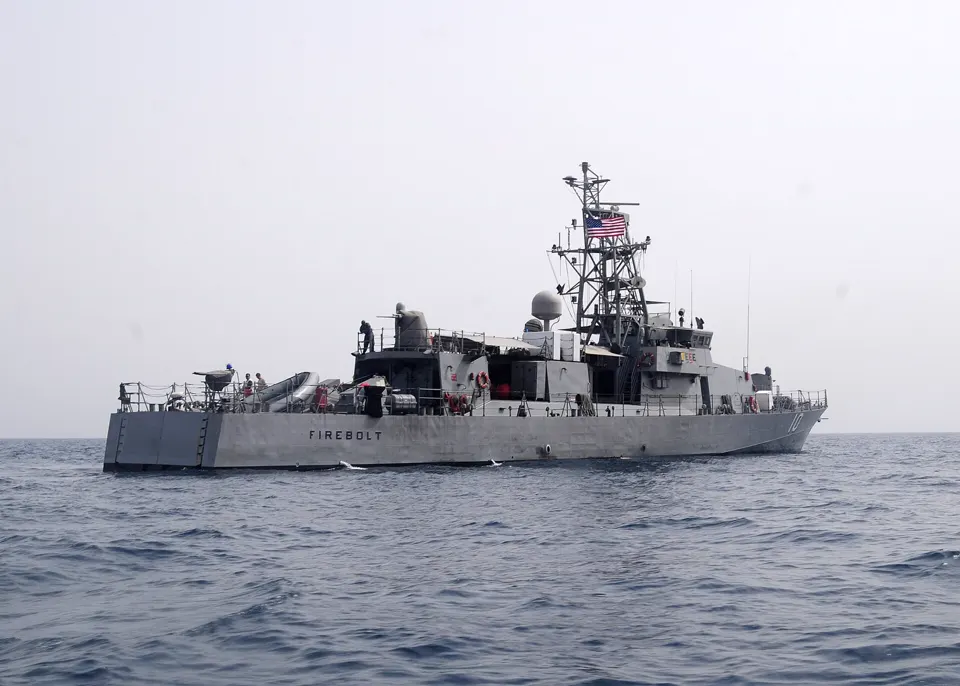
UKMTO's weekly security overview, published on 20 November, counted 263 vessel crossings through the strait in the seven days to 18 November, down from 308 the week before. Traffic remains about 65% below pre-conflict levels, Marine Insight reported.
- Six tankers were attacked in that week: four in the strait and two in the Persian Gulf.
- 106 incidents have been recorded in the strait since the conflict began on 28 February 2026.
- The Joint Maritime Information Center rates the threat level as severe, meaning an attack is highly likely.
- Since the US-Iran memorandum of understanding expired on 17 August, about 10% of attacked ships with known outcomes have been lost or sunk.
Indian sailors already affected
An LPG tanker attacked near Khasab, Oman, on 16 and 17 November had Indian crew on board. India's Ministry of External Affairs said one crew member was missing and two were injured, according to Marine Insight.
Why the war is still going on
The conflict began with joint US-Israeli strikes on Iran in February that killed top officials, including Supreme Leader Ayatollah Ali Khamenei. A memorandum signed in June has not produced a deal, and talks are stalled. The US says it is enforcing a naval blockade of Iran's ports, while Iran claims control of the strait and keeps targeting shipping, ABC News reported.
Read more on TWB: Iran's conditions for reopening the Strait of Hormuz.
What it means for India
- Oil and gas: a large share of India's crude oil and LPG imports normally passes through the Strait of Hormuz. Disruption raises freight and insurance costs and keeps fuel prices under pressure.
- Seafarers: Indians are among the largest groups of sailors on merchant ships worldwide, so every attack is a direct risk to Indian families.
- Navy: the Indian Navy has been escorting Indian-flagged ships in the region during the conflict.
What we don't know yet
- Who fired on the three vessels on Monday and what they were carrying.
- Whether the IRGC's mine claims are true.
With inputs from ABC News, UKMTO and Marine Insight.