India's first industry-built PSLV rocket to fly in early 2027, says ISRO chief: what HAL and L&T are building
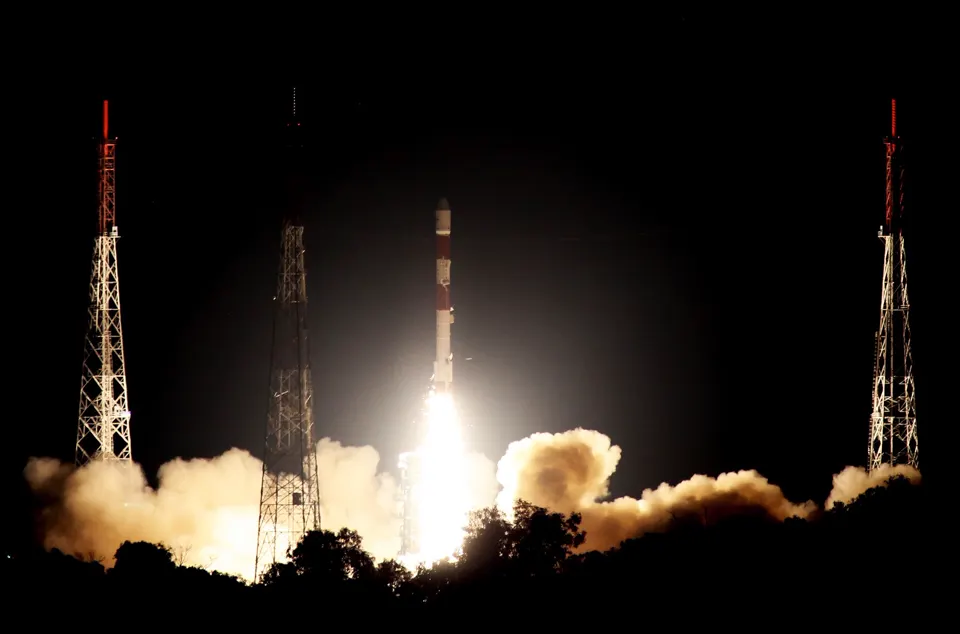
ISRO chairman V Narayanan says PSLV-N1, the first Polar Satellite Launch Vehicle built by an HAL-L&T consortium, is being readied for launch in the first quarter of 2027. The consortium has a ₹860 crore contract for five rockets.
Key points
- PSLV-N1, the first PSLV built by industry, is targeted for launch in the first quarter of 2027, ISRO chief V Narayanan said on 24 November
- An HAL and L&T consortium is building five PSLVs under a ₹860 crore contract signed with NSIL in September 2022
- Narayanan said ISRO has 56 space assets in orbit and India needs many more
- He said 434 satellites for 34 countries have been launched from India in the last 12 years
- Gaganyaan is 'in the final phase', he said; the maiden flight of PSLV-N1 has slipped from earlier targets
India's first Polar Satellite Launch Vehicle (PSLV) built by private industry is being readied for its maiden flight in the first quarter of 2027, ISRO chairman V Narayanan said on Tuesday, 24 November.
The rocket, called PSLV-N1, is the first of five PSLVs being built by a consortium of state-run Hindustan Aeronautics Ltd (HAL) and engineering group Larsen & Toubro (L&T). Narayanan was speaking on the sidelines of the 5th India International Space Conference in New Delhi, the Times of India reported.
Quick facts
- Rocket: PSLV-N1, the first PSLV fully built by industry.
- Builders: HAL and L&T consortium; contract for five PSLVs.
- Contract: signed with ISRO's commercial arm NSIL in September 2022 for ₹860 crore.
- Target: first quarter of 2027 (January to March).
- India in orbit: 56 space assets, according to the ISRO chief.
What the ISRO chief said
"Earlier, it was only ISRO that built PSLV with the support of industry," Narayanan said, adding that the HAL-L&T consortium had now been given five rockets to build and that the first was "getting ready".
He said the government is fast-tracking satellite launches with start-ups because India needs far more satellites for communication, navigation and earth observation than the government sector can build alone. The number of space start-ups has grown from one to more than 440, he said.
- Foreign launches: India works with 64 countries, and 434 satellites for 34 countries have been launched from Indian soil in the last 12 years, he said.
- Gaganyaan: "Gaganyaan is not late," he said, adding that the human spaceflight programme is in its final phase, with work under way on the orbital module.
- Chips: ISRO and the Semi-Conductor Laboratory in Chandigarh have developed the Vikram-32 processor, which will be inducted.
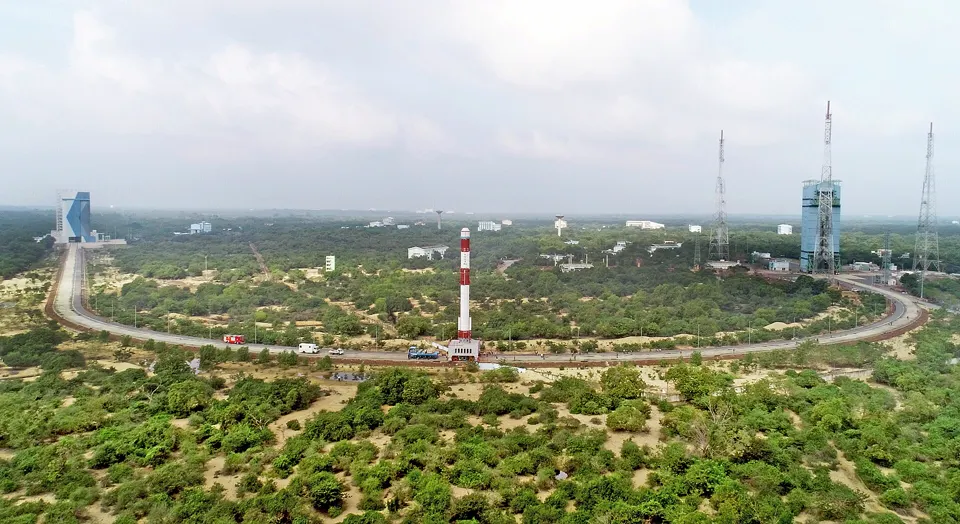
Why an industry-built PSLV matters
The PSLV is ISRO's most-used rocket, with a long record of launching Indian and foreign satellites, including Chandrayaan-1, Mangalyaan and Aditya-L1. Until now, private companies supplied parts, but ISRO assembled and ran every rocket.
Handing full production to industry is meant to let ISRO focus on new technology such as human spaceflight and reusable rockets, while companies build proven rockets in larger numbers for Indian and commercial customers. It is part of the space reforms that also created IN-SPACe, the regulator and promoter for private space firms.
The first flight has taken longer than first hoped: the Indian Express reported that the maiden PSLV-N1 launch has been delayed again.
What it means for you
- More rockets mean more satellites for things people use every day: weather forecasts, maps and navigation (NavIC), TV and internet links, and crop and disaster monitoring.
- It could create more high-skill jobs in aerospace manufacturing at companies like HAL, L&T and their suppliers.
- If industry-built PSLVs work well, India can launch more foreign satellites and earn more from the global launch market.
What we don't know yet
ISRO has not announced an exact launch date or which satellite PSLV-N1 will carry. We will update this story when the date is fixed.
More on The World Brief
- More science news
- Gaganyaan astronauts train for zero gravity
- Shenzhou-24: Pakistan's first astronaut heads to China's station