Shenzhou-24: Pakistan's Zeeshan Ali to become first foreign astronaut on China's space station
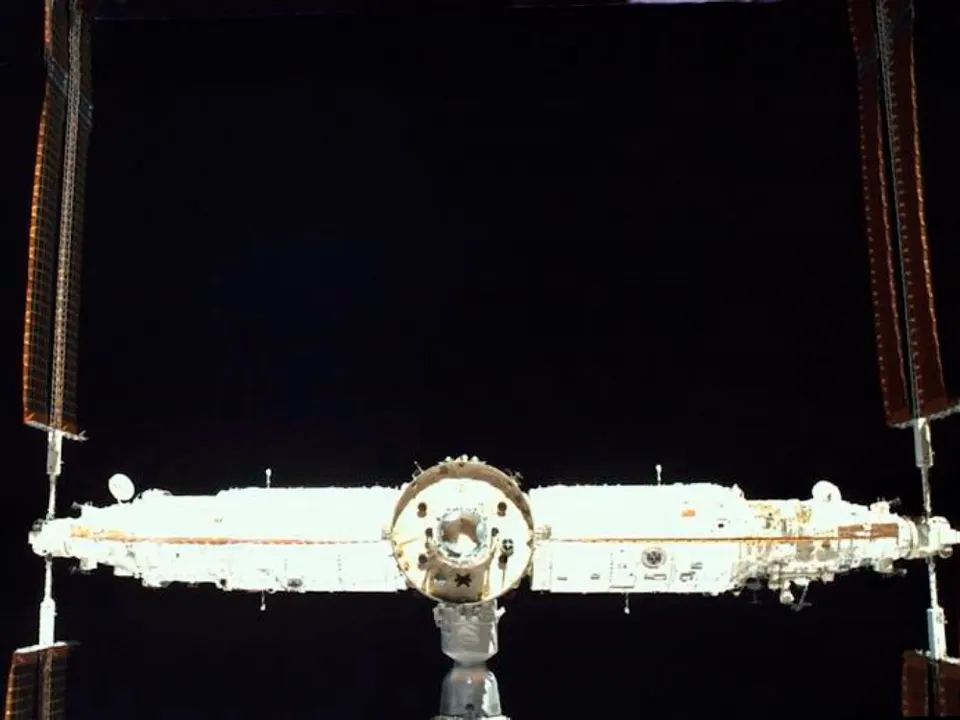
China is launching Shenzhou-24 from Jiuquan on Wednesday morning with Pakistani pilot Muhammad Zeeshan Ali on board, the first foreign astronaut to visit the Tiangong space station. Here is the crew, the timing, what he will do, and how it compares with India's own human spaceflight plans.
Key points
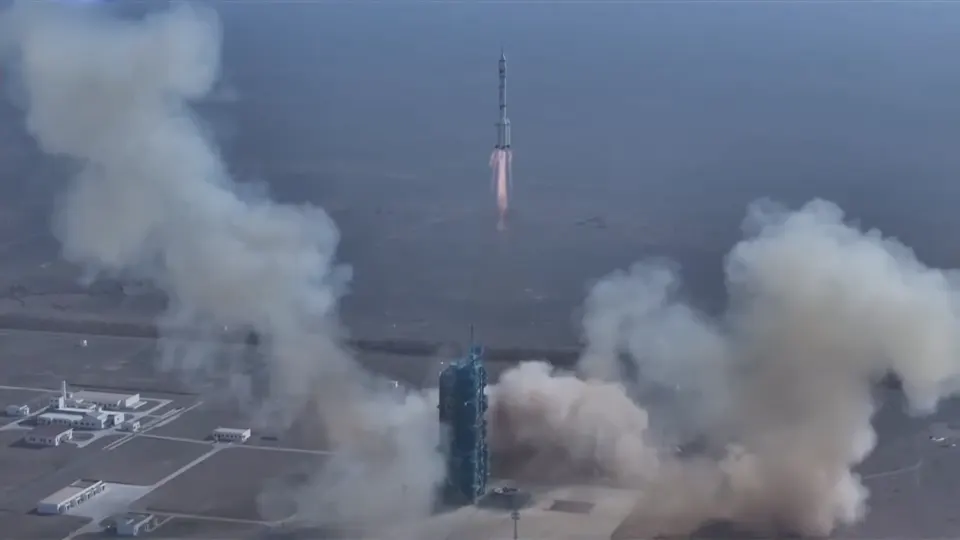
- Shenzhou-24 is set to launch at 8:18 am Beijing time on 25 November (5:48 am IST) from the Jiuquan Satellite Launch Centre
- Crew: commander Tang Hongbo, pilot Wu Yi and Pakistani payload specialist Muhammad Zeeshan Ali
- Ali will be the first foreign astronaut to visit Tiangong and the first Pakistani in space
- He is expected to stay about a week, run experiments and return on Shenzhou-23
- India's Shubhanshu Shukla flew to the ISS in 2025; India's own Gaganyaan crew flight is still ahead
China is set to launch its Shenzhou-24 mission on Wednesday, 25 November, carrying a Pakistani astronaut to its Tiangong space station for the first time. Muhammad Zeeshan Ali, a 40-year-old pilot, will be the first foreign national to visit Tiangong and the first Pakistani to go to space, the China Manned Space Agency (CMSA) said.
Quick facts
- Launch: 8:18 am Beijing time on 25 November, which is 5:48 am IST.
- Where: Jiuquan Satellite Launch Centre, north-west China, on a Long March-2F rocket.
- Crew: commander Tang Hongbo, pilot Wu Yi, and payload specialist Muhammad Zeeshan Ali.
- Stay: Ali is expected to spend about a week in orbit and return on the Shenzhou-23 spacecraft.
- Why it matters: the first time China's human spaceflight programme has flown a foreign astronaut.
Who is Zeeshan Ali?
Ali is a former Pakistan Air Force pilot. He and another candidate, Khurram Daud, were chosen in April to start training in China, and Ali was later picked for the flight, PTI reported. The selection follows a February 2025 agreement between China's space agency and Pakistan's space agency, SUPARCO.
Speaking at Jiuquan, Ali said he hoped cooperation would grow from "one astronaut, one flight" to joint missions to the Moon, Mars and beyond, according to PTI.
What he will do in orbit
- Ali will work as a payload specialist, running science experiments rather than flying the spacecraft.
- He is expected to carry out four projects in biotechnology and materials science, including a study of photosynthetic micro-organisms in microgravity, Chinese state broadcaster CCTV reported, according to India Today.
- The crew will carry out around 90 experiments during the mission, CMSA said.
- Ali will return to Earth with two of the current crew, Lai Ka-ying, Hong Kong's first astronaut, and Zhang Zhiyuan, PTI reported.
How India compares
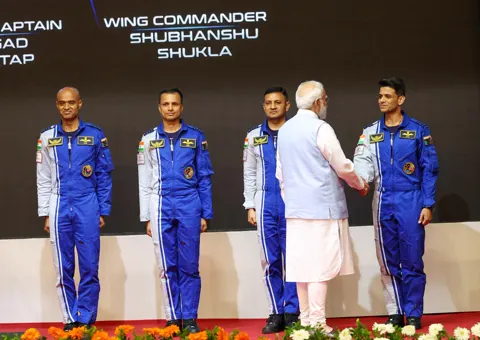
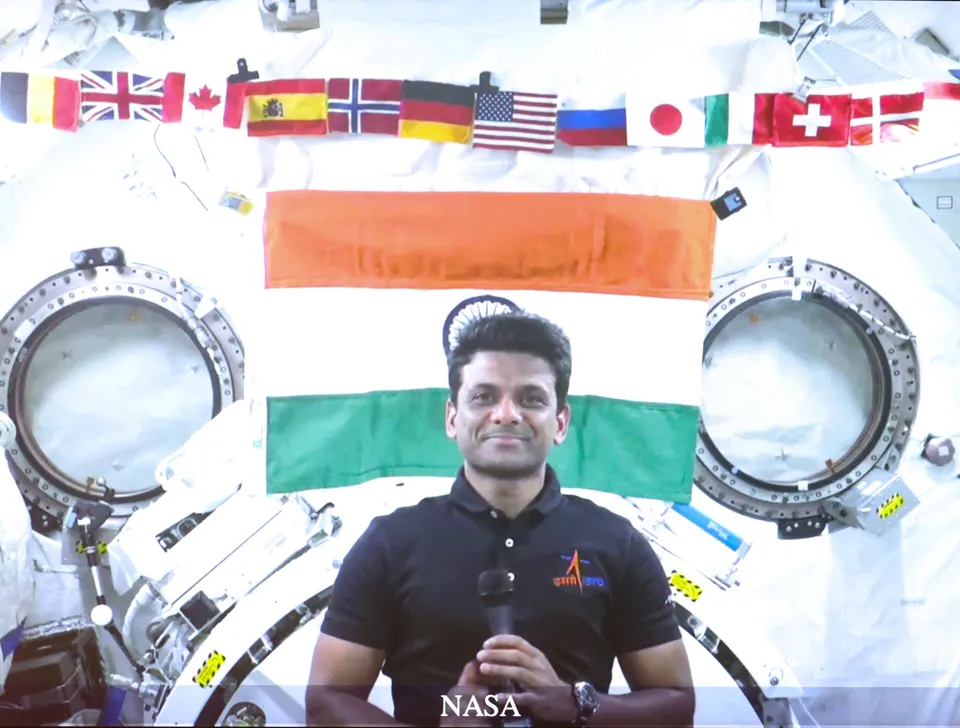
India has not yet flown its own astronauts on its own rocket. Group Captain Shubhanshu Shukla became the second Indian in space in 2025, flying to the International Space Station on the private Axiom-4 mission. ISRO's Gaganyaan programme aims to launch Indian astronauts on an Indian rocket, after uncrewed test flights. China, meanwhile, is working towards a crewed Moon landing by 2030.
What to watch
- The launch early on Wednesday morning (India time) and docking with Tiangong a few hours later.
- Whether China opens Tiangong to more foreign astronauts, which could reshape space partnerships in Asia.
- We will update this story after the launch.
More on The World Brief
Sources
- Press Trust of India (via MSN): Zeeshan Ali set to become first foreign astronaut to visit China's space station
- India Today (via MSN): Pakistan gets its first astronaut
- The Hindu: Shenzhou-24 to include first foreign astronaut from Pakistan
- People's Daily: Astronauts of China's Shenzhou-24 mission meet press